Quick Summary: Finding the best lightweight tablets for hospital use is essential for efficient patient care. This review offers crucial insights into selecting devices that are durable, easy to sanitize, and packed with features for seamless clinical workflows, ensuring you make a smart, informed choice.
Navigating the world of technology for healthcare can feel overwhelming. You need tools that are reliable, quick to use, and can handle the demands of a busy hospital environment. Tablets are becoming indispensable in modern medicine, helping doctors and nurses access patient records, view scans, and communicate vital information on the go. But not all tablets are created equal, especially when it comes to healthcare settings where cleanliness and durability are paramount. Choosing the right one can make a world of difference in your daily tasks. This guide is here to simplify that choice for you!
We’ll walk you through what makes a tablet truly “hospital-ready,” what features to look for, and even highlight some top contenders. Get ready to discover how the right lightweight tablet can transform your workflow and enhance patient care.
Why Lightweight Tablets Are a Game-Changer for Hospitals

In a hospital, every second counts, and so does every ounce of weight. Lightweight tablets are more than just convenient; they are essential tools that can significantly improve efficiency and reduce physical strain for healthcare professionals. Imagine carrying patient charts, treatment plans, and diagnostic images all on a device that weighs less than a medical textbook. That’s the power of a lightweight tablet in action.
These devices allow nurses to check vital signs and update patient records at the bedside, physicians to review imaging studies in real-time, and even administrative staff to manage schedules and communication seamlessly. The portability means information is always at your fingertips, reducing the need for trips back to a nursing station or office.
- Enhanced Mobility: Easily carried and used in various hospital locations.
- Reduced Fatigue: Less weight means less strain during long shifts.
- Improved Workflow: Quick access to patient data and applications improves response times.
- Better Patient Interaction: Allows clinicians to engage with patients while referencing information.
- Space Efficiency: Takes up minimal space on carts, bedside tables, or in pockets.
Key Features for Hospital-Grade Lightweight Tablets
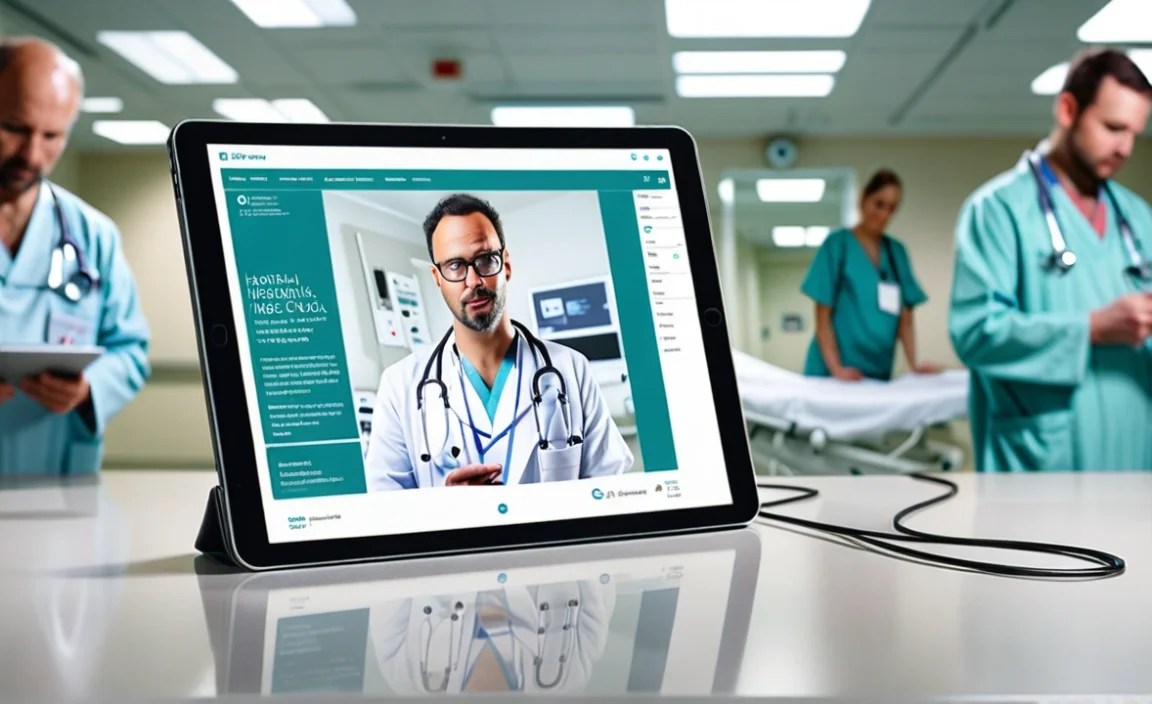
When selecting a lightweight tablet for hospital use, several features are non-negotiable. These go beyond standard consumer tablet offerings and are tailored for the unique demands of a healthcare environment.
Durability and Ruggedness
Hospitals are bustling places where accidental drops and bumps are common. A robust tablet can withstand these everyday hazards, saving on repair and replacement costs. Look for:
- IP Ratings: Ingress Protection (IP) ratings indicate a device’s resistance to dust (“solid”) and water (“liquid”). For hospitals, an IP rating of IP54 or higher is recommended, with many opting for IP65 or IP67 for enhanced protection against dust and water splashes, and even submersion.
- MIL-STD-810H Certification: This military-grade standard ensures devices can withstand drops, shocks, vibrations, extreme temperatures, and other environmental stresses.
- Screen Protection: Reinforced glass, like Corning Gorilla Glass, is crucial for preventing scratches and cracks.
A study by the National Center for Biotechnology Information (NCBI) highlighted the importance of device durability, noting that malfunctioning technology can lead to significant disruptions in patient care. Investing in rugged devices directly addresses this concern.
Antimicrobial Properties and Ease of Cleaning
Infection control is paramount in hospitals. Tablets used by multiple staff members and in patient care areas must be easy to sanitize thoroughly. This means:
- Antimicrobial Coatings: Many hospital-grade tablets come with built-in antimicrobial properties on their casings and screens, helping to inhibit the growth of bacteria and viruses.
- Sealed Designs: Devices with minimal ports and seams are easier to wipe down without liquid seeping inside.
- Chemical Resistance: Ensure the tablet’s materials can withstand repeated cleaning with hospital-grade disinfectants like isopropyl alcohol or bleach solutions without degradation.
According to the Centers for Disease Control and Prevention (CDC), proper environmental cleaning and disinfection are critical measures to prevent healthcare-associated infections (HAIs). Tablets that facilitate this are invaluable.
Screen Quality and Usability
Clear visibility and responsive touchscreens are vital for efficient data entry and retrieval.
- Brightness: High brightness levels (often measured in nits) are essential for outdoor use or in brightly lit hospital environments where glare can be an issue. Aim for 500 nits or more.
- Resolution: A sharper display (e.g., Full HD or higher) makes reading text, viewing images, and accessing detailed patient information easier.
- Glove-Touch Compatibility: Many healthcare professionals wear gloves. Tablets that can be operated accurately with gloves on are a significant usability advantage.
- Sunlight Readability: Important for devices used by mobile teams or in areas with natural light.
Battery Life and Power Management
Long shifts require long battery life. Hospital tablets should ideally:
- Last a Full Shift: Aim for devices that can operate for 8-12 hours on a single charge.
- Support Hot-Swappable Batteries: For continuous operation without downtime, some rugged tablets offer batteries that can be replaced while the device is still on.
- Fast Charging: The ability to quickly recharge is a bonus during brief downtime.
Connectivity and Security
Seamless integration with hospital networks and robust security are paramount.
- Wi-Fi and Optional Cellular: Stable Wi-Fi is a must. Dual-band Wi-Fi (2.4GHz and 5GHz) offers better performance. Cellular (4G LTE or 5G) can be beneficial for staff working in areas with spotty Wi-Fi.
- Bluetooth: For connecting to peripherals like barcode scanners, medical devices, or printers.
- Enterprise-Grade Security: Features like hardware-based encryption, biometric authentication (fingerprint or facial recognition), and remote management capabilities are crucial for protecting sensitive patient data (PHI). Compliance with regulations like HIPAA is essential.
Performance for Medical Applications
The tablet needs to run demanding medical software smoothly.
- Processor and RAM: Adequate processing power and memory are necessary to handle multiple applications, complex medical images, and large datasets without lag. 4GB of RAM is a good starting point, with 8GB or more being ideal for demanding tasks.
- Storage: Sufficient internal storage is needed for apps, patient data, and offline access to records.
Top Lightweight Tablets for Hospital Use: Reviews and Recommendations

Choosing the right tablet involves balancing all the features mentioned above with your specific needs and budget. While the “perfect” tablet is subjective, certain models consistently meet the rigorous demands of healthcare environments. Here’s a look at some popular choices, keeping in mind that specific configurations and availability may vary.
1. Panasonic Toughbook Laptops and Tablets
Panasonic is a name synonymous with rugged devices, and their Toughbook line is a strong contender for hospital use. They are built to endure extreme conditions, making them ideal for mobile healthcare scenarios.
- Pros: Extremely durable (MIL-STD, IP ratings), excellent battery life, often come with robust security features, available in various sizes and configurations, good for complex medical imaging.
- Cons: Can be more expensive than consumer-grade tablets, sometimes heavier than their “lightweight” moniker might suggest for ultra-portable needs, interface can feel more utilitarian.
- Best For: Field clinicians, emergency responders, or any role requiring maximum durability and reliability.
2. Getac Tablets
Similar to Panasonic, Getac specializes in rugged computing solutions for demanding industries, including healthcare. Their tablets are engineered for reliability in challenging environments.
- Pros: Highly ruggedized, good performance for medical applications, long battery life, secure, often more cost-effective than some premium rugged brands.
- Cons: Design can be bulky, not always the most aesthetically pleasing for all users, weight can be a factor in their smallest models.
- Best For: Clinical staff who need a tough, dependable device for daily use, from patient rooms to mobile clinics.
3. Dell Latitude Rugged Tablets
Dell offers ruggedized versions of their popular Latitude line, designed to withstand the rigors of mobile workforces, which often includes healthcare.
- Pros: Integrates well with existing Dell ecosystems, strong performance, good durability, often have excellent screen visibility, support for Windows applications.
- Cons: Can be pricier than standard tablets, weight might still be a consideration for some ultra-lightweight needs.
- Best For: Hospitals already invested in Dell infrastructure, or those needing Windows-based applications and strong business-grade features.
4. Apple iPad (with rugged case)
While not inherently rugged, the Apple iPad, particularly the Pro and Air models, are incredibly powerful, lightweight, and user-friendly. With the addition of a high-quality rugged case, they can become excellent hospital-grade devices.
- Pros: Excellent performance, intuitive interface, vast app ecosystem (including many medical apps), very lightweight, great for graphics and user engagement.
- Cons: Requires a separate rugged case for adequate protection, sanitizing a case might be different than sanitizing the tablet itself, can be more expensive than Android rugged options, limited port selection.
- How to Make it Hospital-Ready: Invest in a MIL-STD-certified rugged case with antimicrobial properties (e.g., from brands like OtterBox, Griffin, or Medicase). Ensure your hospital’s IT policies support iOS devices.
- Best For: Clinicians and staff who prioritize a user-friendly interface, access to a wide range of apps, and are comfortable with the added step of using a protective case.
5. Samsung Galaxy Tab Active Series
Samsung offers ruggedized options designed specifically for mobile workforces. The Galaxy Tab Active series strikes a good balance between ruggedness and portability.
- Pros: Built-in ruggedness (often IP67 and MIL-STD certified), good battery life, often includes an S Pen stylus for precise input, supports Samsung’s Knox security platform, typically more affordable than other rugged brands.
- Cons: Performance may not match high-end consumer tablets for very demanding tasks, screen brightness might not be sufficient for the brightest environments without careful selection.
- Best For: Teams looking for an all-in-one rugged solution with stylus support, offering a good combination of durability, features, and value.
Essential Considerations When Choosing
Beyond the specific models, consider these broader points to ensure your choice is the right one for your hospital:
1. Operating System (OS)
The choice between iOS, Android, and Windows often depends on your hospital’s existing infrastructure and the specific software you need to run.
- iOS (iPads): Known for its simplicity, vast app store, and strong security. Many EMR/EHR systems have dedicated iOS apps.
- Android: Offers more customization and a wider range of hardware options, often at competitive prices. Strong for custom app development.
- Windows: If your hospital relies heavily on desktop applications or needs a full desktop experience, a Windows rugged tablet might be the best fit.
2. Form Factor and Size
Tablets come in various sizes (e.g., 7-inch, 8-inch, 10-inch, 12-inch). Consider:
- Portability vs. Screen Real Estate: Smaller, lighter tablets are easier to carry in scrubs or pockets, but larger screens are better for viewing complex data or images.
- One-Handed Use: Can the tablet be comfortably held and operated with one hand for quick tasks?
3. Budget and Total Cost of Ownership (TCO)
While initial purchase price is important, factor in the long-term costs:
- Durability: A more expensive rugged device could save money by lasting longer and requiring fewer repairs than a consumer tablet that breaks easily.
- Warranty and Support: Look for extended warranties and good technical support specifically for enterprise or government sectors.
- Licensing: Consider costs associated with software licenses, mobile device management (MDM) solutions, and security software.
4. Integration with Existing Systems
Ensure the tablets you choose can seamlessly integrate with your hospital’s Electronic Health Records (EHR) systems, Picture Archiving and Communication Systems (PACS), and other hospital information systems.
Consulting with your IT department is crucial. They can advise on compatibility, network requirements (Wi-Fi standards, cellular coverage), and security protocols. The Healthcare IT News often features articles on best practices for secure mobile device adoption in healthcare.
Example Workflow: A Nurse Using a Lightweight Tablet
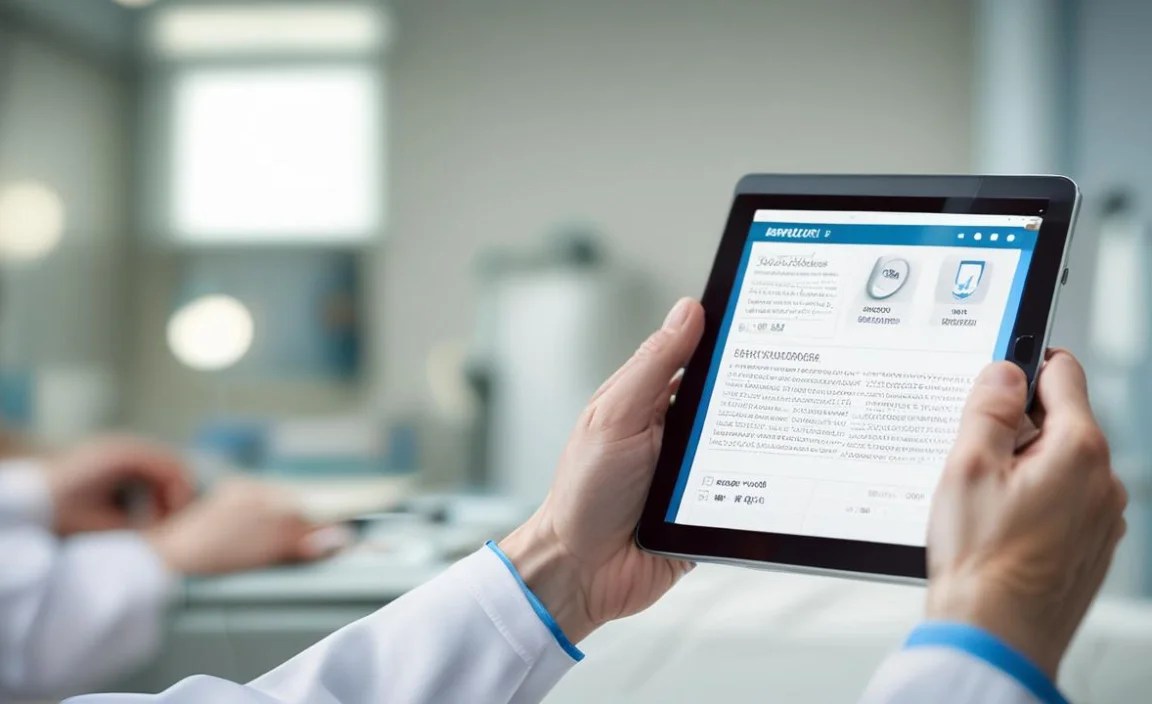
Let’s visualize how a lightweight, hospital-ready tablet can be used in practice:
- Morning Rounds: Nurse Sarah grabs her ruggedized 8-inch Android tablet before starting her shift. Its lightweight design allows her to slip it into her scrub pocket.
- Patient Room Check-in: At Mrs. Gable’s bedside, Sarah logs into the tablet using her fingerprint. She quickly pulls up Mrs. Gable’s chart, reviews her overnight vitals, and checks for any new doctor’s orders on the EMR app.
- Medication Administration: Using the tablet’s built-in barcode scanner (or an attached external one), Sarah scans Mrs. Gable’s wristband and then the medication. The tablet confirms the correct patient, correct drug, and correct dosage before she administers it, updating the record instantly.
- Consultation with Physician: Dr. Lee arrives and asks about Mrs. Gable’s latest lab results. Sarah connects her tablet to the hospital’s Wi-Fi and pulls up the results document, displaying it clearly for Dr. Lee.
- End of Shift Handoff: During the shift change, Sarah uses the tablet to document the care provided and any important updates for the incoming nurse, ensuring a smooth transition and comprehensive patient handover.
- Sanitization: Before placing the tablet back in its charging dock, Sarah wipes it down with a disinfectant wipe, confident that its sealed design and antimicrobial surface can handle the frequent cleaning required in her role.
This streamlined process, enabled by a purpose-built tablet, not only improves accuracy and efficiency but also enhances patient safety by ensuring real-time access to critical information and reducing the potential for documentation errors.
Frequently Asked Questions (FAQ)
1. What does “rugged” mean for a tablet?
A “rugged” tablet is designed to withstand harsh conditions such as drops, dust, water, extreme temperatures, and vibrations. They typically carry certifications like MIL-STD-810H and have high IP (Ingress Protection) ratings, making them much more durable than standard consumer tablets.
2. Can I use a regular iPad or Android tablet in a hospital if I buy a protective case?
While a good rugged case can offer some protection, standard consumer tablets are not designed for the stringent hygiene and durability requirements of a hospital. For true hospital use, look for devices with built-in antimicrobial properties, chemical resistance to disinfectants, and professional-grade ruggedness certifications. If using a consumer tablet is unavoidable, pair it with a MIL-STD-certified, antimicrobial rugged case and adhere strictly to cleaning protocols.
3. Are lightweight tablets suitable for viewing medical images like X-rays?
Yes, many lightweight tablets, especially those with high-resolution displays (e.g., 10-inch or larger models with Full HD or higher resolution) and sufficient processing power, are perfectly capable of displaying medical images. However, for critical diagnostic interpretation, dedicated PACS workstations or specialized medical-grade displays are often preferred. For reviewing images in a clinical context, lightweight tablets can be very effective.
4. What is an IP rating, and why is it important for hospital tablets?
An IP rating (Ingress Protection) indicates how well a device is protected against solids (like dust) and liquids (like water). For hospital tablets, a high IP rating (e.g., IP65, IP67) is crucial because it means the device can withstand dust ingress and water exposure, including splashes and even brief submersion, making it safe to clean thoroughly with disinfectants without damage.
5. How much should I expect to spend on a lightweight tablet for hospital use?
Prices can vary significantly. Basic rugged Android tablets might start around $500-$700, while higher-end rugged Windows tablets or specialized medical-grade devices

Your tech guru in Sand City, CA, bringing you the latest insights and tips exclusively on mobile tablets. Dive into the world of sleek devices and stay ahead in the tablet game with my expert guidance. Your go-to source for all things tablet-related – let’s elevate your tech experience!