Lightweight tablets for real estate expert picks are essential for agents needing to present listings, manage client data, and stay connected on the go. These devices offer a perfect blend of portability, performance, and battery life, making them indispensable tools for modern real estate professionals. Our expert picks highlight the best options to boost your productivity and impress clients.
Ever feel weighed down by your work tools? In the fast-paced world of real estate, lugging around heavy laptops or stacks of paperwork can slow you down. You need something nimble, powerful, and ready whenever inspiration strikes or a client calls. Finding the right lightweight tablet can transform how you do business, making property tours more engaging and client meetings more productive. Don’t worry if you’re not a tech whiz; we’ve got you covered. This guide will walk you through everything you need to know to pick the perfect lightweight tablet, making your life as a real estate agent much easier.
Lightweight Tablets For Real Estate: Expert’s Essential Picks
As a real estate professional, your tablet is more than just a gadget; it’s your mobile office. You’re out and about, meeting clients, visiting properties, and needing instant access to listings, contracts, and market data. That’s why a lightweight tablet is a game-changer. It needs to be easy to carry all day, have a battery that lasts, and be powerful enough for all your essential tasks. Let’s dive into what makes a tablet “expert-picked” for real estate and explore some top contenders.
Why Lightweight Tablets Are Essential for Real Estate Agents

Imagine this: you’re meeting a client at a stunning new listing. Instead of fumbling with a bulky laptop, you effortlessly pull out a sleek, lightweight tablet. You can instantly pull up virtual tours, high-resolution photos, floor plans, and even neighborhood statistics. This isn’t just convenient; it’s professional and impressive.
Here’s why lightweight tablets have become indispensable:
- Portability: The most obvious benefit. Lighter devices are easier to carry from open house to office, to client meetings, and back home. Less fatigue means more energy for what matters – selling homes.
- Battery Life: Real estate agents are rarely near an outlet. Tablets are designed for on-the-go use with excellent battery life, ensuring you won’t run out of power during a crucial client presentation or a long day of showings.
- Instant Access: With a tablet, you can access your CRM, marketing materials, MLS listings, and digital contracts within seconds. This responsiveness is key in a competitive market.
- Client Engagement: Visually presenting properties with vibrant photos, videos, and 3D tours on a tablet screen is far more engaging than static brochures. It helps clients visualize themselves in a space.
- Note-Taking and Documentation: Jotting down client feedback, taking property notes, or snapping quick photos is simple and efficient with a tablet. Many support stylus input for even more natural note-taking.
- Professional Image: A modern tablet projects a tech-savvy and organized image, which can build trust and confidence with potential buyers and sellers.
Key Features to Look For in a Real Estate Tablet

Not all tablets are created equal, especially when it comes to professional use. Here’s what experts like us at Tabletzoo recommend focusing on:
- Weight and Size: Aim for devices under 1.5 pounds (approx. 680 grams). Screen sizes between 10 and 12 inches usually offer a good balance between viewing area and portability.
- Display Quality: A crisp, bright display is crucial for showcasing property photos and videos. Look for high resolution (Full HD or better) and good color accuracy.
- Performance (Processor & RAM): You need enough power to run multiple apps smoothly – your MLS app, CRM, email, browser, and presentation software. Aim for at least 4GB of RAM, with 6GB or 8GB being ideal for heavy multitasking.
- Storage: Real estate involves lots of photos and videos. 128GB of internal storage is a good starting point. Consider models with expandable storage via microSD card if you anticipate needing more space.
- Battery Life: Don’t settle for less than 8-10 hours of typical use. Look for manufacturer claims that are backed by independent reviews, as real-world usage can vary.
- Connectivity: Wi-Fi is standard, but consider a model with LTE/5G for reliable internet access wherever you go, even without Wi-Fi.
- Stylus Support: If you plan to take handwritten notes, sign documents digitally, or sketch out ideas, a tablet that supports a responsive stylus is a must.
- Durability and Build Quality: While not all agents need ruggedized devices, a sturdy build will withstand the rigors of daily use. Protective cases are, of course, highly recommended.
Expert Picks: Lightweight Tablets for Real Estate Professionals

Based on our expertise and extensive testing, here are some of the best lightweight tablets that excel in portability, performance, and features, making them ideal for real estate agents:
1. Apple iPad Air (M2)
The iPad Air consistently hits the sweet spot for many professionals, and the latest M2 model is no exception. It’s incredibly lightweight, powerful, and runs a vast ecosystem of productivity apps.
- Why it’s great for real estate: Slim, light (about 1.27 pounds for the Wi-Fi model), incredibly fast with the M2 chip, vibrant Liquid Retina display, excellent app support (including Apple Pencil compatibility for note-taking and signing). The ecosystem is seamless, especially if you use other Apple devices.
- Key Specs: 11-inch or 13-inch display, M2 chip, up to 1TB storage, USB-C connectivity.
- Consider if: You’re invested in the Apple ecosystem, need top-tier performance for demanding apps, and want a premium feel.
- Potential Drawback: Styling and keyboard accessories can add to the cost.
2. Samsung Galaxy Tab S9 / Tab S9 FE
Samsung offers a fantastic Android alternative with its Galaxy Tab S series. The Tab S9 strikes a balance between premium features and portability, while the S9 FE provides a more budget-friendly, durable option.
- Why it’s great for real estate: The standard Tab S9 is incredibly thin and light (around 1.1 pounds). Both models boast beautiful AMOLED (S9) or LCD (S9 FE) displays, making visuals pop. They come with the S Pen included, perfect for annotations and signatures. Samsung DeX offers a desktop-like experience for multitasking.
- Key Specs: 11-12.4 inch displays, Snapdragon processors (S9) or Exynos (S9 FE), up to 512GB storage (expandable via microSD), IP68 water and dust resistance on S9.
- Consider if: You prefer Android, value included stylus support, want good multitasking capabilities with DeX, or need robust water resistance (Tab S9). The S9 FE is a superb value.
- Potential Drawback: Samsung’s software can sometimes feel a bit cluttered for new users.
3. Microsoft Surface Go 3
For those who prefer a Windows environment, the Surface Go 3 offers the flexibility of a laptop-tablet hybrid in an ultra-portable package.
- Why it’s great for real estate: It runs full Windows, meaning you can use all your desktop software. It’s incredibly light (starting at 1.15 pounds) and compact. The optional Type Cover and Surface Pen make it a versatile workstation for note-taking, presentations, and even light document editing.
- Key Specs: 10.5-inch PixelSense display, Intel processors, up to 256GB storage.
- Consider if: You absolutely need Windows, prefer a 3:2 aspect ratio screen for productivity, and value its compact size.
- Potential Drawback: Performance can be limited with base configurations; you’ll want to opt for better specs for smoother multitasking. Keyboard and pen are usually sold separately.
4. Lenovo Tab P11 Gen 2 / P12
Lenovo often delivers excellent value, and their Tab P series offers good performance and displays at a more accessible price point than some premium competitors.
- Why it’s great for real estate: The P11 Gen 2 and P12 are reasonably lightweight and offer bright, large displays (up to 12.7 inches on the P12) perfect for showcasing properties. They often support optional keyboards and pens, and their battery life is commendable.
- Key Specs: 11.5-inch (P11 Gen 2) or 12.7-inch (P12) displays, MediaTek processors, up to 256GB storage (expandable).
- Consider if: You’re looking for a large screen and good multimedia experience without breaking the bank, and you need a reliable Android tablet for general productivity.
- Potential Drawback: Performance might not be as snappy as top-tier iPads or Galaxy Tabs for extremely demanding tasks.
Real Estate Use Cases: Making Your Tablet Work for You
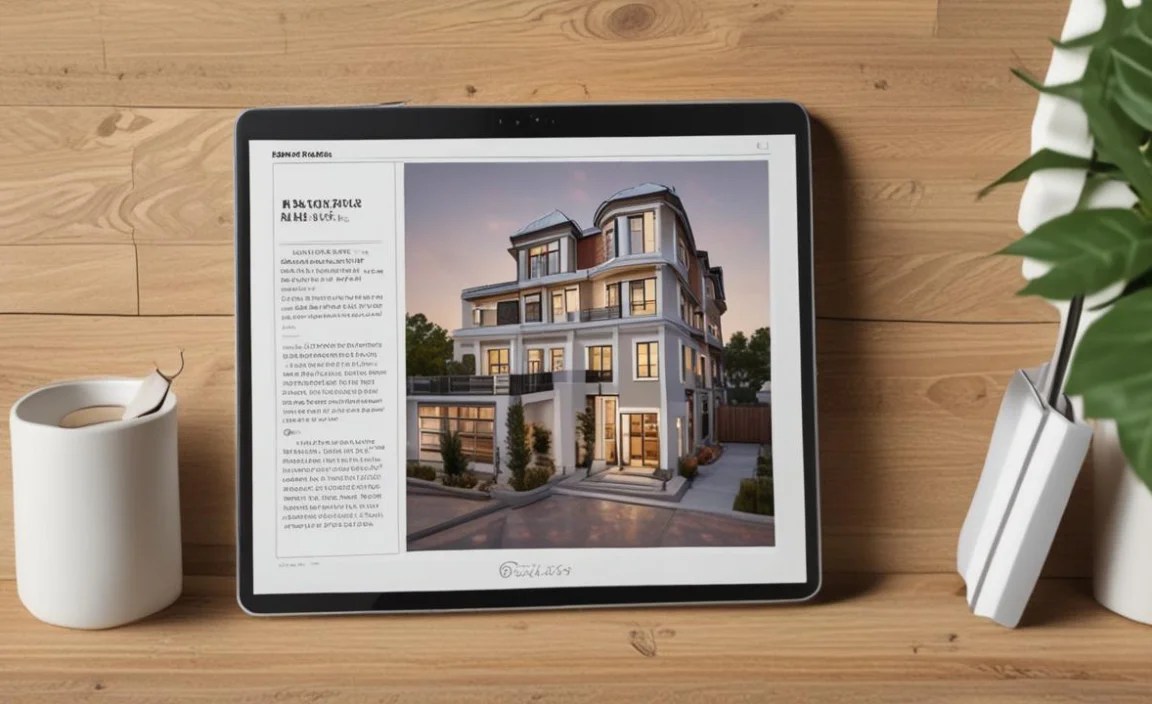
Beyond just having a lightweight device, your tablet can actively enhance your real estate business. Here’s how:
Presenting Listings
- High-Quality Photos & Videos: Showcase properties in their best light with stunning, high-resolution images and walk-through videos.
- Virtual Tours & 3D Walkthroughs: Use Matterport or similar apps to give clients an immersive experience, even if they can’t be there in person.
- Digital Brochures & Floor Plans: Easily pull up and share detailed property information, instantly updated with the latest details.
- Augmented Reality (AR): Some apps allow you to visualize furniture or renovations within a property using AR features.
Client Management and Communication
- CRM Integration: Access your client database (like Salesforce, Follow Up Boss, or others) to view client profiles, past interactions, and scheduled appointments.
- Email & Messaging: Stay in constant contact with clients and colleagues.
- Calendar Management: Keep track of showings, meetings, and deadlines with Google Calendar, Outlook Calendar, or your preferred app.
- Digital Signatures: Use apps like DocuSign or Adobe Fill & Sign to get contracts signed electronically, saving time and paper.
On-Site Productivity
- Note-Taking: Jot down client feedback, property observations, or competitor information. Stylus support is invaluable here.
- Property Measurements: Use built-in measurement apps or download dedicated tools to get quick on-site dimensions.
- Market Research: Access local MLS data, property value estimates, and neighborhood demographics on the go.
- Social Media Updates: Share new listings or open house announcements directly from your tablet.
Choosing Between Operating Systems (iPadOS vs. Android vs. Windows)
This is often the biggest decision. Each has its strengths for real estate:
- iPadOS (Apple iPads):
- Pros: User-friendly, excellent app selection (especially for creative tasks and specialized real estate apps), strong performance, good stylus support (Apple Pencil), seamless integration with other Apple devices.
- Cons: Can be more expensive, less file management control than Android or Windows, stylus and keyboard often sold separately.
- Android (Samsung Galaxy Tabs, Lenovo Tabs, etc.):
- Pros: Wide range of devices and price points, more open ecosystem for file management, often good value, many models include S Pen, Samsung DeX offers a desktop-like experience.
- Cons: App quality can be inconsistent compared to iOS, performance varies greatly by model.
- Windows (Microsoft Surface Go):
- Pros: Runs full desktop applications, familiar interface for many business users, excellent for multitasking and complex software.
- Cons: Tablet interface can be less optimized than iPadOS or Android for touch, can be more expensive for comparable specs, often requires separate accessories (keyboard, pen).
For most real estate agents looking for ease of use and a robust app ecosystem, iPads and Android tablets are the top choices. If you heavily rely on specific Windows desktop software, the Surface Go is worth considering, but be mindful of its performance limitations.
Accessorizing Your Real Estate Tablet
To get the most out of your lightweight tablet, consider these essential accessories:
- Protective Case: A must-have for durability. Look for cases with built-in stands for presentations or even keyboard attachments.
- Stylus: If your tablet doesn’t come with one, a good stylus (like the Apple Pencil or Samsung S Pen) can revolutionize note-taking and annotation.
- Bluetooth Keyboard: For longer typing sessions or drafting emails, a compact Bluetooth keyboard can significantly boost productivity. Many cases integrate a keyboard.
- Portable Power Bank: An extra boost of battery life for those long days away from a charger is a lifesaver.
- Screen Protector: Adds an extra layer of protection and can reduce glare.
Budget Considerations
Lightweight tablets for real estate range from a few hundred dollars to over a thousand, depending on brand, specs, and features. Here’s a general breakdown:
- Budget-Friendly (Under $400): Look at options like the Samsung Galaxy Tab A series, Lenovo Tab M or lower-end P series, or older iPad models. These are good for basic tasks like email, browsing, and simple MLS lookups.
- Mid-Range ($400 – $700): This is where you’ll find excellent value. The Samsung Galaxy Tab S9 FE, iPad Air (often on sale), and higher-spec Lenovo P-series fall here. These offer a great balance of performance, display quality, and features.
- Premium ($700+): The latest iPad Air (higher storage/cellular), iPad Pro, and Samsung Galaxy Tab S9 Ultra are in this category. They offer top-tier performance, the best displays, and can handle almost any task you throw at them.
- Pro Tip: Consider refurbished models from reputable sources like Apple Certified Refurbished or Samsung’s official refurbished store. You can save significant money on devices that are like new.
Frequently Asked Questions (FAQ)
Q1: Can I really run my real estate MLS software on a tablet?
A1: Most MLS systems have mobile apps or web interfaces optimized for tablets. Some might have limitations compared to their desktop versions, but for core functions like searching listings, viewing details, and checking recent activity, they generally work well. Always check your specific MLS provider’s app compatibility.
Q2: Is a cellular (LTE/5G) connection necessary for a real estate tablet?
A2: It’s highly recommended if you spend a lot of time out of the office or away from reliable Wi-Fi. It ensures you can access critical information, communicate with clients, and view listings on the go without searching for Wi-Fi hotspots. You can also tether to your smartphone, but a dedicated cellular connection is often more seamless.
Q3: How much storage do I need on my tablet for real estate?
A3: We recommend at least 128GB. Real estate involves large photo and video files, floor plans, and potentially downloaded marketing materials. If you plan to store a lot of media locally or use many apps, 256GB or more, or a model with expandable storage (like many Android tablets), would be beneficial.
Q4: Are tablets good for signing digital contracts?
A4: Absolutely! With a stylus and a good e-signature app (like DocuSign, Adobe Fill & Sign, or built-in options), signing documents is easy and legally binding. The touchscreen interface makes it intuitive.
Q5: What’s the difference between a tablet and a 2-in-1 laptop for real estate?
A5: A tablet is primarily a touch-first device, optimized for portability and quick access. A 2-in-1 laptop (like the Surface Go) offers a detachable keyboard and often runs full desktop OS, giving it more laptop-like capabilities. For most on-the-go presentations and client interactions, a dedicated tablet is often more streamlined and easier to handle. 2-in-1s can be better if you do heavy document creation or use specialized desktop software.
Q6: Can I use my tablet for virtual staging or design visualization?
A6: Yes, many apps allow for virtual staging, AR furniture placement, or even light design tweaks. The quality of the display and the processing power will impact how smoothly these applications run. High-end tablets with good graphics performance are best for these tasks.</

Your tech guru in Sand City, CA, bringing you the latest insights and tips exclusively on mobile tablets. Dive into the world of sleek devices and stay ahead in the tablet game with my expert guidance. Your go-to source for all things tablet-related – let’s elevate your tech experience!