For beginners aiming for impactful presentations, the most popular tablets seamlessly blend ease of use with robust features. Look for models with long battery life, clear displays, and intuitive software, often found in the Apple iPad and Samsung Galaxy Tab lines.
Thinking about ditching the bulky laptop for your next presentation? You’re not alone! Many people find tablets to be a more portable and user-friendly option. However, with so many choices out there, picking the right one can feel a bit overwhelming. Don’t worry, we’re here to help you navigate the options. We’ll break down exactly what makes a tablet great for presentations and highlight some of the top contenders. Get ready to feel confident choosing your presentation partner!
Why Tablets Are Perfect for Modern Presentations
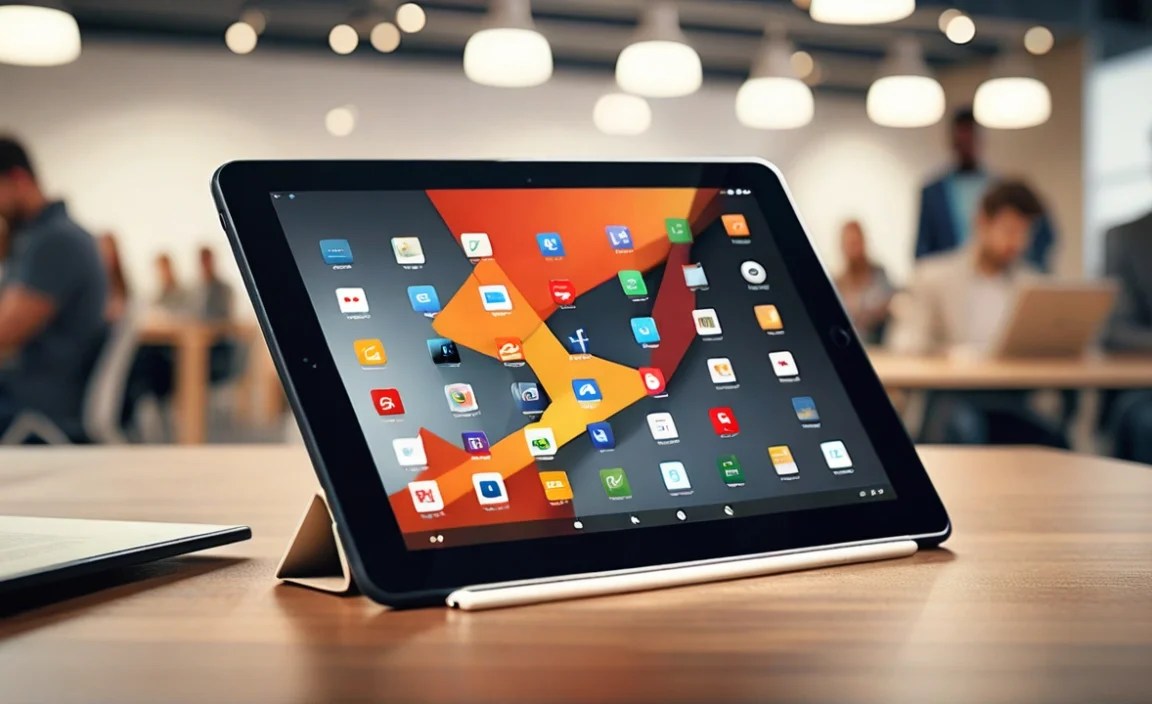
Tablets have revolutionized how we present information. They offer a fantastic blend of portability, touch-screen convenience, and powerful functionality that many traditional laptops can’t match for straightforward presenting tasks. For beginners, this means less complexity and more focus on your message.
Imagine walking into a meeting with just a slim tablet in hand, ready to share stunning visuals, interactive slides, or even live demos with a simple tap. No more fumbling with cables or waiting for a computer to boot up. Tablets are designed for immediacy and ease.
Portability and Convenience
This is arguably the biggest win for tablets. They are incredibly lightweight and compact, making them easy to slip into a bag and carry anywhere. For presenters who travel frequently or move between different meeting rooms, this convenience is invaluable.
Intuitive Touchscreen Interface
Presenting often involves navigating slides, zooming in on details, or even annotating on the fly. A touchscreen makes these actions incredibly intuitive. If you can use a smartphone, you can master presentation controls on a tablet. This is a massive advantage for beginners who want to avoid a steep learning curve.
Long Battery Life
Many tablets boast excellent battery life, often lasting through multiple presentations or even a full day of use on a single charge. This reduces the anxiety of finding a power outlet, allowing you to concentrate on delivering your best performance.
Quick Startup and Sleep Modes
Tablets wake up almost instantly from sleep mode, meaning you can power on and get started without delays. This allows for a smooth and professional transition from conversational opening to your first slide.
Key Features to Look for in a Presentation Tablet

When you’re starting out, you don’t need the most powerful device on the market. Instead, focus on features that directly enhance your presentation experience. Here’s what to keep in mind:
1. Screen Size and Quality
A larger screen makes it easier for you and your audience to see your content clearly. Aim for a screen size of at least 10 inches. High resolution (like Full HD or better) ensures your images and text look crisp and professional. Brightness is also key, especially if you’ll be presenting in well-lit rooms.
2. Storage Capacity
You’ll need enough space for your presentation files (like PowerPoint, Google Slides, or PDF documents), any supporting videos, and the presentation apps themselves. 64GB is a good starting point, but 128GB or more is recommended if you plan to store a lot of large media files or use your tablet for other purposes.
3. Processor and RAM
While you don’t need a top-tier gaming chip, a decent processor and enough RAM (4GB or more) will ensure your presentation software runs smoothly without stuttering. This is especially important if your presentations include animations or videos.
4. Battery Life
As mentioned, this is crucial. Look for tablets that offer at least 8-10 hours of active use. Reading user reviews can give you a realistic idea of battery performance.
5. Connectivity Options
Consider how you’ll connect your tablet to external displays. Most modern tablets can connect wirelessly via screen mirroring (like AirPlay for iPads or Miracast for Android tablets). However, having a USB-C port can also be useful for connecting adapters that offer HDMI output, allowing for a reliable wired connection if needed.
6. App Compatibility
Ensure the tablet’s operating system supports your preferred presentation software (e.g., Microsoft PowerPoint, Google Slides, Apple Keynote). Most major apps are available across both iOS and Android platforms.
7. Durability and Build Quality
For a device you’ll be transporting regularly, a sturdy build is a plus. While cases are always recommended, a well-built tablet is less likely to suffer damage from minor bumps.
The Most Popular Tablets for Presentations: Our Top Picks for Beginners

Based on user reviews, feature sets, and overall value, here are some of the most popular tablets that are excellent choices for beginners looking to make great presentations.
1. Apple iPad (Standard Model)
The standard iPad has long been a go-to device for a reason. It strikes an incredible balance between affordability, performance, and ease of use, making it a fantastic entry point into the Apple ecosystem for presentation needs.
- Pros:
- Extremely user-friendly interface (iPadOS).
- Access to a vast App Store with excellent presentation apps like Keynote and Microsoft PowerPoint.
- Reliable performance for everyday tasks and presentations.
- Excellent integration with other Apple devices (if you have them).
- Good battery life.
- Strong resale value.
- Cons:
- Storage can be limited on base models; upgrading is costly.
- Entry-level models lack some advanced features found on Pro models.
- Stylus and keyboard are usually sold separately, increasing the total cost.
Why it’s great for beginners: The iPad is incredibly intuitive. Setting up your presentation files and opening them is straightforward. Apple’s own Keynote app is free and surprisingly powerful for creating and delivering polished presentations. For most beginners, the standard iPad offers more than enough power and a seamless user experience.
2. Apple iPad Air
If you need a bit more power and a sleeker design than the standard iPad, but don’t want to jump to the Pro models, the iPad Air is a stellar choice. It bridges the gap nicely, offering a premium experience without the premium price tag of the Pro series.
- Pros:
- Slim and lightweight design.
- More powerful processor than the standard iPad, offering smoother performance.
- Support for Apple Pencil (2nd generation) and Magic Keyboard for enhanced productivity.
- Beautiful Liquid Retina display.
- Good battery life.
- Cons:
- More expensive than the standard iPad.
- Stylus and keyboard are separate purchases.
- Base storage might still be a concern for heavy users.
Why it’s great for beginners: The iPad Air offers a noticeable step up in speed and responsiveness while maintaining the core ease of use that Apple is known for. For beginners who might have slightly more complex presentations or want a tablet that can grow with them, the Air is a fantastic option.
3. Samsung Galaxy Tab S Series (e.g., Tab S9 FE, Tab S9)
Samsung’s flagship Galaxy Tab S series offers a premium Android experience. They are known for their stunning AMOLED displays and robust feature sets, making them powerful tools for both productivity and entertainment. The ‘FE’ (Fan Edition) models often offer a better price-to-performance ratio.
For beginners, the Galaxy Tab S9 FE is particularly compelling due to its balance of features and cost. If your budget allows, even the standard Tab S9 offers a top-tier Android tablet experience.
- Pros:
- Vibrant and sharp AMOLED displays (on non-FE models) or bright LCDs (on FE models) are great for visuals.
- S Pen stylus is often included, offering excellent note-taking and annotation capabilities.
- Samsung DeX provides a desktop-like experience, useful for multitasking.
- Runs on Android, offering flexibility and a wide range of apps.
- Good battery life.
- Expandable storage via microSD card (on some models).
- Cons:
- Can be more complex to navigate for absolute beginners compared to iPadOS for some.
- App optimization for tablets can sometimes lag behind iPad’s.
- Long-term software update support can vary.
Why it’s great for beginners: The inclusion of the S Pen out-of-the-box is a huge value for note-taking and interactive presentations. Samsung’s interface is well-designed, and for those already familiar with Android, it’s a natural transition. Samsung DeX can also be helpful if you need to do more than just present.
4. Samsung Galaxy Tab A Series (e.g., Tab A9+)
For budget-conscious beginners, the Samsung Galaxy Tab A series is a fantastic entry point into the Android tablet world. These tablets focus on core functionality and affordability, making them excellent for simple presentation tasks.
- Pros:
- Very affordable price point.
- Simple and straightforward user interface.
- Decent screen size for viewing content.
- Adequate performance for basic presentation apps.
- Good battery life.
- Cons:
- Lower resolution screen compared to premium models.
- Performance is not suitable for demanding apps or heavy multitasking.
- Build quality may feel less premium.
- Camera quality is typically basic.
Why it’s great for beginners: If your primary need is to display slides and perhaps play a simple video, and your budget is limited, the Galaxy Tab A series is an excellent choice. It provides a reliable platform for essential presentation tasks without breaking the bank.
5. Microsoft Surface Go 3
The Microsoft Surface Go 3 blurs the line between tablet and laptop. It runs a full version of Windows, meaning you can run the desktop versions of applications like PowerPoint, which can be a significant advantage if you’re accustomed to the Windows environment.
- Pros:
- Runs a full version of Windows 11, offering unparalleled software compatibility.
- Excellent for users already familiar with the Windows ecosystem.
- Optional Surface Pen and Type Cover create a versatile 2-in-1 device.
- Compact and lightweight design with a built-in kickstand.
- Cons:
- Can be more expensive once you add the keyboard and pen.
- Battery life can be inconsistent depending on usage.
- Performance may be sluggish on lower-end configurations, especially with multiple apps open.
- Windows tablet interface can sometimes feel less optimized than dedicated tablet OS for touch-only use.
Why it’s great for beginners: If you live and breathe Windows professional software, the Surface Go 3 is a natural fit. You can use your existing desktop PowerPoint confidently. The flexibility of a full OS on a portable device is its main selling point.
Comparing Top Presentation Tablets for Beginners
To help you make an informed decision, here’s a quick comparison of the key aspects for our top beginner-friendly presentation tablets.
| Feature | Apple iPad (10th Gen) | Samsung Galaxy Tab S9 FE | Microsoft Surface Go 3 |
|---|---|---|---|
| Operating System | iPadOS | Android (with Samsung DeX) | Windows 11 |
| Screen Size | 10.9 inches | 10.9 inches | 10.5 inches |
| Display Type | Liquid Retina IPS LCD | TFT LCD | PixelSense IPS LCD |
| Stylus Support | Apple Pencil (1st Gen) | Included S Pen | Optional Surface Pen |
| Keyboard Option | Optional Magic Keyboard/Smart Keyboard Folio | Optional Book Cover Keyboard | Optional Type Cover |
| Typical Starting Storage | 64GB | 128GB | 64GB |
| Battery Life (Approx.) | Up to 10 hours | Up to 18 hours (video playback) | Up to 11 hours |
| Ease of Use (Beginner Focus) | Very High | High (especially for Android users) | Medium (familiar for Windows users) |
| Presentation Software | Keynote, PowerPoint, Google Slides | PowerPoint, Google Slides, Presentation apps | Full Desktop PowerPoint, etc. |
Tips for Preparing and Delivering Presentations with Your Tablet
Once you’ve got your tablet, here are some tips to make your presentations shine:
1. Organize Your Files
Before you even present, make sure your presentation files are easily accessible. Use cloud storage services like Google Drive, Dropbox, or iCloud Drive. This way, you can access your presentation from any device and have a backup.
2. Choose the Right Presentation App
For iPads, Apple’s Keynote is free and powerful. Microsoft PowerPoint is also excellent on iPadOS and Android. Google Slides works well too. If you’re on a Surface Go 3, you’ll likely use the desktop version of PowerPoint.
3. Practice with Your Tablet
Get comfortable navigating your slides using the touchscreen. Practice swiping, zooming, and using any presenter tools you might need. Understand how to connect to external displays (projector or TV) with your specific tablet.
4. Use a Stylus for Annotation (If Needed)
If your presentations involve marking up documents, diagrams, or brainstorming live, a stylus is invaluable. Practice using it so your annotations look confident and clear.
5. Invest in a Good Case and Screen Protector
Protect your investment! A sturdy case will safeguard your tablet during transport, and a screen protector prevents scratches. Some cases also double as stands or have built-in keyboards.
6. Master Screen Mirroring/Casting
Learn how to wirelessly cast your screen to a projector or TV. For Apple devices, this is AirPlay. For Android, it’s typically Miracast or Google Cast. Having a reliable adapter for HDMI is also a good backup.
7. Charge Your Tablet Fully
A charged tablet is a stress-free tablet. Always start your presentation day with a full battery, and consider bringing a portable power bank if you have a long day of meetings ahead.
Frequently Asked Questions (FAQ)
What’s the best screen size for a presentation tablet?
For most beginners, a screen size of 10 inches or larger is ideal. This ensures that both you and your audience can comfortably see the content. Smaller screens can work for very simple presentations or personal use, but a 10-inch display offers a better balance.
Do I need a stylus for presentations?
A stylus is highly recommended if you plan to make annotations, draw diagrams, or write notes directly on your slides during the presentation. For simply advancing slides and displaying content, it’s not essential, but it adds a valuable layer of interactivity.
Can I use cloud storage for my presentations on a tablet?
Absolutely! Cloud storage services like Google Drive, Dropbox, OneDrive, and iCloud are perfectly supported on all major tablet operating systems (iPadOS, Android, Windows). This is a great way to keep your files updated and accessible.
What’s the difference between Wi-Fi and Cellular models?
Wi-Fi models only connect to the internet via Wi-Fi networks. Cellular models have a SIM card slot (or eSIM) and can connect to the internet using a mobile data plan, anywhere there’s cell service. For presentations, Wi-Fi is usually sufficient, unless you need to access live online content during a presentation where Wi-Fi isn’t available.
How much storage do I really need for presentation files?
For just presentation files (e.g., PowerPoint, Slides), 64GB is often enough. However, if you plan

Your tech guru in Sand City, CA, bringing you the latest insights and tips exclusively on mobile tablets. Dive into the world of sleek devices and stay ahead in the tablet game with my expert guidance. Your go-to source for all things tablet-related – let’s elevate your tech experience!