A non-responsive touchscreen on your RCA Tablet 11 Galileo can be frustrating, but don’t worry! Usually, this is a fixable issue. This guide will walk you through the most common fixes, starting with simple steps and moving to more involved solutions. We’ll help you get your tablet’s touch functionality back in working order so you can get back to browsing, playing, and working without interruption. Let’s get your Galileo responding to your touch again!
RCA Tablet 11 Galileo: Essential Touchscreen Fix
Is your RCA Tablet 11 Galileo acting like it has a mind of its own, or worse, not responding to your touch at all? It’s a common problem many tablet users encounter, and it can certainly put a damper on your day. Whether you’re trying to navigate your favorite app, send an important email, or simply unlock your device, a malfunctioning touchscreen is a major roadblock. But before you start thinking about costly repairs or a new tablet, know that most touchscreen issues are surprisingly fixable with a few straightforward troubleshooting steps. This guide is designed to help you, the everyday user, get your RCA Tablet 11 Galileo’s touchscreen working perfectly again. We’ll cover everything from simple restarts to more advanced software solutions, all explained in a way that’s easy to understand.
Understanding Touchscreen Issues on the RCA Tablet 11 Galileo

The touchscreen on your RCA Tablet 11 Galileo is a marvel of modern technology, allowing you to interact with your digital world with just a tap or swipe. However, like any complex electronic component, it can sometimes develop glitches. These issues can range from minor unresponsiveness in certain areas to a completely dead screen. Several factors can contribute to this:
- Software Glitches: Sometimes, a temporary software bug or a conflicting app can interfere with the touchscreen’s operation.
- Dirt and Grime: A buildup of smudges, oils, and debris on the screen can sometimes cause phantom touches or reduce its sensitivity.
- Hardware Problems: Less commonly, there might be an issue with the digitizer (the layer that detects touch) or the screen itself.
- Overheating: Prolonged use, especially during demanding tasks, can sometimes cause the device to overheat, leading to temporary touchscreen malfunctions.
The good news is that most of these issues can be resolved without needing to take your tablet to a professional. We’ll start with the simplest, most effective fixes that require no special tools, just a little patience.
Step 1: The Universal Fix – Restart Your RCA Tablet 11 Galileo

This might sound too simple, but a restart is often the most effective first step for any electronic device acting up. It’s like giving your tablet a fresh start, clearing out temporary glitches that might be causing the touchscreen problem. Here’s how to do it:
- Press and Hold the Power Button: Locate the power button on your RCA Tablet 11 Galileo. Press and hold it down until you see the power options appear on the screen.
- Select “Restart” or “Power Off”: If you see a “Restart” option, tap it. Your tablet will automatically shut down and then start back up. If “Restart” isn’t available, choose “Power Off.”
- Power On Manually (if you chose “Power Off”): Once the tablet has completely shut down (the screen will be black), press and hold the power button again until you see the RCA logo to turn it back on.
After your tablet has restarted, test the touchscreen. If it’s working, great! If not, don’t worry, we have more solutions to try.
Step 2: Thoroughly Clean Your Tablet’s Screen

A dirty screen can surprisingly affect touchscreen performance. Oils, smudges, and even specks of dust can interfere with the capacitive touch technology. A clean screen ensures optimal contact and responsiveness.
What You’ll Need:
- A soft, lint-free microfiber cloth (like those used for cleaning glasses or camera lenses).
- Optional: A screen cleaner specifically designed for electronic devices or a very lightly dampened cloth with distilled water.
Cleaning Instructions:
- Power Off Your Tablet: This is important to prevent accidental taps and to see smudges more clearly.
- Wipe the Screen Gently: Use the microfiber cloth to wipe the entire surface of the screen in a circular motion. Apply gentle pressure.
- For Stubborn Smudges: If simple wiping doesn’t remove all the grime, dampen a small corner of the microfiber cloth very lightly with distilled water or a dedicated electronic screen cleaner. Never spray liquid directly onto the screen.
- Dry the Screen: Use a dry part of the microfiber cloth to gently dry the screen, ensuring no streaks are left behind.
Once clean, power on your tablet and test the touchscreen. Sometimes, this simple act of cleaning is all it takes!
Step 3: Check for Physical Damage and Screen Protectors

Before diving into software fixes, it’s important to rule out obvious physical issues.
- Inspect for Cracks: Carefully examine the screen for any visible cracks or damage. Even minor cracks can compromise the touchscreen’s functionality.
- Screen Protectors: If you have a screen protector applied, it’s possible that it’s lifting, damaged, or not compatible. Try carefully removing the screen protector (follow the manufacturer’s instructions for your specific protector) and test the touchscreen without it. If the touchscreen works normally after removing the protector, you’ll know it was the culprit. You may need to replace it with a new, properly applied one.
Step 4: Close Resource-Heavy Apps and Processes
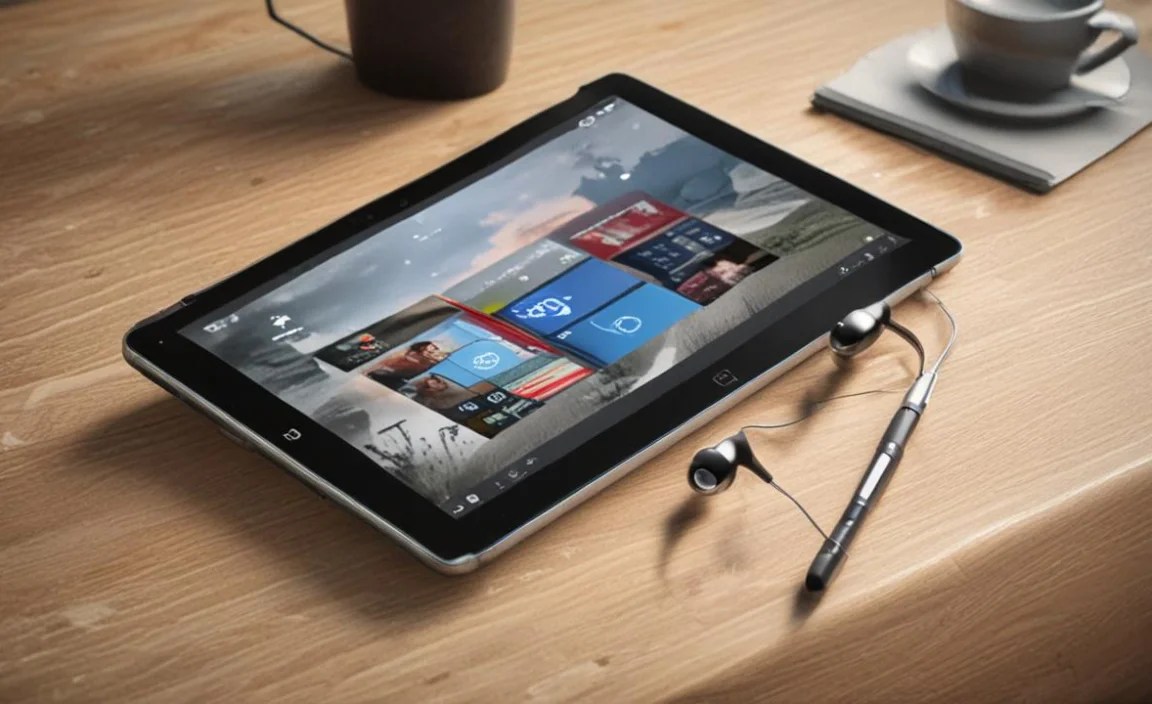
Sometimes, a tablet’s performance can become sluggish, and this sluggishness can manifest itself as unresponsiveness in the touchscreen. This often happens when too many applications are running simultaneously, or when a particular app is consuming excessive system resources (like memory or CPU power).
How to Close Apps:
- Access Recent Apps: On most Android tablets, you can find a “Recents” or “Overview” button (often a square icon at the bottom of the screen). Tap this button to see all currently open applications.
- Swipe Apps Away: You should see a list of your open apps. Typically, you can swipe each app card to the side (left or right) to close it. Some interfaces might have a “Close All” or “Clear All” button.
- Check for Problematic Apps: If you notice the touchscreen issue started after opening a specific app, try closing that app first.
After closing unnecessary apps, test your touchscreen again. If your tablet feels snappier, this might have been the cause.
Step 5: Update Your RCA Tablet 11 Galileo Software
Software updates often include bug fixes and performance improvements, which can resolve many issues, including touchscreen problems. Keeping your tablet’s operating system up-to-date is crucial for smooth operation.
How to Check for and Install Updates:
- Connect to Wi-Fi: Ensure your tablet is connected to a stable Wi-Fi network. Updates can be large, so Wi-Fi is recommended over a cellular connection.
- Go to Settings: Find and tap the “Settings” app icon on your home screen or in your app drawer.
- Scroll to “About Tablet”: Look for an option like “About tablet,” “System,” or “About device.” Tap on it.
- Tap “Software Update” or “System Update”: Inside the “About tablet” menu, you should find an option for software updates. Tap this.
- Check for Updates: Your tablet will now check if any new updates are available.
- Download and Install: If an update is found, tap “Download” and then “Install.” Your tablet will likely restart during this process. Do not interrupt the update.
Once the update is complete, test your touchscreen. For more information on keeping your Android devices updated, you can refer to Google’s official Android support page on system updates.
Step 6: Clear the Cache Partition (Advanced Software Fix)
The cache partition stores temporary system files. Over time, these files can become corrupted, leading to various problems, including touchscreen unresponsiveness. Clearing the cache partition can resolve these issues without deleting your personal data.
Note: Accessing the cache partition requires booting your tablet into Recovery Mode. The exact key combination can vary slightly, but for most RCA tablets, it’s a combination of the Volume Down and Power buttons.
Steps to Clear Cache Partition:
- Power Off Your Tablet: Make sure your RCA Tablet 11 Galileo is completely turned off.
- Enter Recovery Mode: Press and hold the Volume Down button and the Power button simultaneously. Keep them held down until you see the RCA logo or the Android recovery menu. Release the buttons.
- Navigate with Volume Keys: You will see a menu. Use the Volume Up and Volume Down buttons to navigate through the options.
- Select “Wipe cache partition”: Navigate to and highlight the option that says “Wipe cache partition.”
- Confirm Selection: Press the Power button to select it. You might need to confirm your choice by navigating to “Yes” and pressing the Power button again.
- Wait for Completion: The process will take a few moments. You will see a message when it’s done.
- Reboot System Now: Once the cache partition is wiped, highlight “Reboot system now” and press the Power button.
Your tablet will restart. Test the touchscreen to see if this has resolved the issue.
Step 7: Factory Reset Your RCA Tablet 11 Galileo (Last Resort Software Fix)
A factory reset is a more drastic step, as it will erase all data on your tablet (apps, settings, photos, videos, etc.) and restore it to its original, out-of-the-box state. This should only be attempted after you have tried all other software troubleshooting steps and have backed up any important data.
Important: Back up your data before proceeding! You can back up photos, videos, and documents to cloud storage services like Google Drive, Dropbox, or a computer. Your Google account can often sync contacts and app data.
How to Perform a Factory Reset:
- Backup Your Data: As mentioned, ensure all important files are backed up.
- Access Settings: Go to the “Settings” app.
- Navigate to Reset Options: Look for options like “Backup & reset,” “System,” or “General management.” Tap on it.
- Select “Factory data reset”: You will see an option to “Factory data reset” or “Erase all data (factory reset).”
- Confirm Reset: Read the warning carefully. You may need to enter your PIN or password. Then, tap “Erase everything” or a similar confirmation button.
- Wait for Reset: Your tablet will restart and perform the reset. This can take some time.
After the factory reset, you will be greeted with the initial setup screen, just like when you first got your tablet. Set it up, and test the touchscreen. If the touchscreen works now, the issue was likely a deep-seated software problem that the reset resolved.
If you’re looking for a reliable cloud storage solution to back up your essential files, consider exploring options like Google Drive, which offers a generous free storage tier.
Step 8: Consider Hardware Issues
If you’ve gone through all the software troubleshooting steps and your RCA Tablet 11 Galileo’s touchscreen is still unresponsive, it’s possible that the issue is hardware-related. This could be a faulty digitizer, a loose internal connection, or damage to the screen itself that isn’t immediately obvious.
When to Suspect Hardware Failure:
- The touchscreen was unresponsive immediately after a drop or impact.
- The touchscreen only works in specific spots or with extreme pressure.
- Lines or dead pixels appear on the screen, and touch doesn’t register in those areas.
- The touchscreen completely stopped working after the tablet was exposed to water or extreme temperatures.
In cases of suspected hardware failure, your options are generally:
- Contact RCA Support: If your tablet is still under warranty, reach out to RCA customer support for repair or replacement options. You can usually find their contact information on the official RCA support website.
- Professional Repair: If your tablet is out of warranty, you can seek out a reputable local tablet repair shop. Be aware that the cost of repair might be significant, and you’ll want to weigh it against the cost of a new, comparable tablet.
- DIY Repair (Not Recommended for Beginners): While it’s possible to find replacement screens and attempt a DIY repair, this is a complex process that requires specialized tools and technical skill. It’s generally not recommended for beginners and can void any remaining warranty.
Troubleshooting Table: Common Touchscreen Problems and Solutions
Here’s a quick reference table to help you diagnose your RCA Tablet 11 Galileo’s touchscreen issues:
| Problem Description | Likely Cause | Recommended Solution(s) |
|---|---|---|
| Screen unresponsiveness in general | Software glitch, dirty screen | Restart, clean screen, close apps, software update, factory reset |
| “Ghost touches” (screen registers touches you didn’t make) | Software glitch, electromagnetic interference, faulty digitizer | Restart, close apps, check for updates, factory reset. Consider distance from other electronics. |
| Touch works in some areas but not others | Digitizer damage, software issue localized to that area | Clean screen, restart, close apps. If persists, may be hardware. |
| Screen completely unresponsive | Severe software crash, hardware failure | Force restart, clear cache partition, factory reset. If still unresponsive, likely hardware. |
| Touchscreen issues after a drop or liquid exposure | Physical hardware damage | Inspect for damage. Contact support or seek professional repair. |
RCA Tablet 11 Galileo: Key Features to Consider
While focusing on troubleshooting, it’s worth remembering what makes the RCA Tablet 11 Galileo a capable device for everyday use. Knowing its core features can also help in troubleshooting by understanding what processes your tablet should be handling.
The RCA Tablet 11 Galileo is known for:
- Display Size: An 11-inch screen offers a comfortable viewing experience, suitable for browsing, media consumption, and light productivity tasks.
- Processing Power: While not a high-end gaming device, it provides sufficient power for most common Android applications and multitasking.
- Connectivity: Typically featuring Wi-Fi and Bluetooth, making it easy to connect to networks and accessories.
- Operating System: Running on Android, it provides access to a vast ecosystem of apps via the Google Play Store.
- Storage: Usually comes with a decent amount of internal storage, often expandable via a microSD card, which is great for storing photos and apps.
Understanding these features helps appreciate the device and can sometimes guide troubleshooting. For example, if storage is critically low, it can impact performance and, consequently, touchscreen responsiveness.
Frequently Asked Questions (FAQ)
Here are some common questions about RCA Tablet 11 Galileo touchscreen issues:
Q1: My RCA Tablet 11 Galileo’s touchscreen is slightly laggy. What should I do?
A: A slightly laggy touchscreen can often be resolved by restarting your tablet, closing unused apps, and ensuring your tablet’s operating system is up-to-date. If the lag persists, try clearing the cache partition.
Q2: Can lint or debris on my screen really cause touch issues?
A: Yes, absolutely. The capacitive touch technology relies on detecting the conductivity of your finger. Oils, dirt, and even the residual film from some screen protectors can interfere with this conductivity, leading to misinterpretations by the touch sensor.
Q3: I dropped my tablet and now the touchscreen doesn’t work. Is it broken?
A: It’s highly likely that a drop has caused physical damage to the screen or the internal digitizer. Even if the glass doesn’t appear cracked, internal connections could be loose or the digit

Your tech guru in Sand City, CA, bringing you the latest insights and tips exclusively on mobile tablets. Dive into the world of sleek devices and stay ahead in the tablet game with my expert guidance. Your go-to source for all things tablet-related – let’s elevate your tech experience!