Is your RCA Tablet 7 Voyager constantly running out of space? You’re not alone! Many users find the built-in storage limiting for apps, photos, and videos. Don’t let a full device frustrate you. This guide will walk you through essential storage upgrade solutions, including a helpful touchscreen fix, to get your tablet running smoothly again. We’ll make it simple, even if tech isn’t your strong suit!
RCA Tablet 7 Voyager Storage Upgrade: Your Complete Guide
Hey there, tech explorers! Walter Moore here from Tabletzoo. Today, we’re diving into a common headache for RCA Tablet 7 Voyager owners: the dreaded “storage full” notification. It pops up when you least expect it, just as you’re about to snap a photo, download an important file, or update your favorite app. For budget-friendly tablets like the Voyager, limited internal storage is often a trade-off for its affordability. But don’t worry, this doesn’t mean your tablet is obsolete or that you need to rush out and buy a new one!
Many storage issues can be resolved with a few smart strategies. We’ll cover the easiest ways to free up space and explore simple upgrades that can significantly boost your tablet’s capacity. Plus, for those who might be experiencing touch-related glitches alongside storage woes, we’ll touch upon a common fix that often goes hand-in-hand with optimizing your device. Let’s turn that storage frustration into a smooth, enjoyable tablet experience!
Why is Storage a Problem on the RCA Tablet 7 Voyager?

The RCA Tablet 7 Voyager is designed to be a capable, affordable gateway into the Android tablet world. It’s perfect for basic tasks like browsing the web, checking emails, watching videos, and running a few essential apps. However, most models come with a modest amount of internal storage, often around 16GB or 32GB. When you factor in the Android operating system itself, pre-installed apps, and system updates, the usable space for your own content shrinks considerably. Apps are getting larger, photos and videos take up more room, and soon, you’re left with little to no breathing room.
This limited storage can lead to a few frustrating symptoms:
- Inability to download or update apps. You’ll see errors like “insufficient storage available.”
- Slow performance. When a tablet’s storage is nearly full, it struggles to operate efficiently.
- Apps crashing or freezing unexpectedly.
- Difficulty taking photos or videos, even if your camera app seems to be working.
The good news is that you have options! Let’s explore them.
Understanding Your RCA Tablet 7 Voyager’s Storage

Before we start clearing space, it’s helpful to know how your tablet manages its storage. Android devices, including the Voyager, typically have two main storage areas:
- Internal Storage: This is the primary storage built into the tablet. It’s where the operating system, pre-installed apps, and downloaded files reside. This is the space that usually gets filled up quickly.
- SD Card Storage (External Storage): Many RCA Tablet 7 Voyager models come with or support a microSD card slot. This is your best friend for expanding storage. You can format an SD card to be used as portable storage (for transferring files) or as internal storage (effectively merging it with your device’s main storage, though Android handles this differently depending on the version).
To see a breakdown of your storage usage, you can usually go to: Settings > Storage. Here, you’ll see how much space is being used by apps, photos, videos, audio, documents, and system files.
Proven Ways to Free Up Space on Your RCA Tablet 7 Voyager

The first and most crucial step in any storage upgrade is to make the most of the space you already have. Here are some essential tips to clear out unnecessary clutter:
1. Uninstall Unused Apps
This is the easiest and most effective way to recover significant storage. Go through your app list and identify apps you no longer use or need. Don’t be afraid to uninstall them!
- Go to Settings.
- Tap on Apps or Applications.
- You’ll see a list of all installed apps. Find an app you want to remove.
- Tap on the app name.
- Tap the Uninstall button.
Pro Tip: Some pre-installed apps (bloatware) cannot be uninstalled. We’ll discuss alternatives for these later.
2. Clear App Cache and Data
Apps store temporary files called “cache” to help them load faster. Over time, this cache can grow quite large. You can also “clear data,” which resets the app to its default state (like when you first installed it). Be cautious when clearing data, as it will remove app settings and login information.
- Go to Settings > Storage.
- Tap on Apps or Applications.
- Select an app that is using a lot of space.
- Tap on Clear Cache. Repeat this for several apps.
- For a more aggressive cleanup, you can tap Clear Data, but remember this will reset the app.
3. Delete Old Photos and Videos
Photos and videos are notorious space hogs. If you’ve taken plenty of pictures or recorded videos, they likely consume a significant portion of your storage.
- Review and Delete: Open your Gallery or Photos app, go through your albums, and delete any pictures or videos you no longer want to keep.
- Back Up to the Cloud: Services like Google Photos are brilliant. You can enable automatic backup, and then once backed up, you can use the app’s feature to “Free up space,” which deletes the local copies from your tablet.
- Transfer to a Computer: Connect your tablet to your computer via USB and copy your media files over. Once confirmed, you can delete them from your tablet.
4. Downloaded Files and Documents
Check your Downloads folder and any other locations where you might have saved documents, PDFs, music files, or even old application installers. Delete anything you don’t need anymore.
- Open your Files app or File Manager.
- Navigate to the Downloads folder.
- Review and delete unwanted files.
- Also, check folders like “Documents,” “Audio,” or any specific app folders where you might have saved items.
5. Manage Music and Ebooks
If you download music for offline listening or have a large collection of ebooks stored locally, these can add up. Use streaming services where possible or delete local copies you’ve finished with.
Expanding Your RCA Tablet 7 Voyager’s Storage: The MicroSD Card Solution

Once you’ve decluttered, the most effective way to significantly increase your RCA Tablet 7 Voyager’s storage capacity is by using a microSD card. Most RCA tablets have a microSD card slot, which is a small, often covered, slot on the side or bottom of the device.
What Kind of MicroSD Card Do You Need?
The Voyager generally supports microSD cards up to 32GB or 64GB, though some users have reported compatibility with larger cards (like 128GB). It’s always best to check your specific model’s specifications if possible, but starting with a 32GB or 64GB card is usually safe and provides a substantial upgrade.
Look for cards with these specifications:
- Type: microSDHC (for cards up to 32GB) or microSDXC (for cards 32GB and larger).
- Class: A Class 10 or U1 (UHS Speed Class 1) card is recommended for general use. For smoother performance, especially if you plan to install apps on the card, consider a U3 (UHS Speed Class 3) or a card with a higher speed rating (like A1 or A2 for app performance).
How to Insert and Set Up a MicroSD Card
This is a straightforward process, but it’s important to do it correctly.
Tools You’ll Need:
- Your RCA Tablet 7 Voyager
- A compatible microSD card
- A small, flat object (like a paperclip or SIM ejector tool) to open the slot if it’s a pin-eject type.
Steps:
- Power Off Your Tablet: Always turn off your tablet completely before inserting or removing any memory card. This prevents data corruption.
- Locate the MicroSD Card Slot: Look for a small slot, usually with a tiny icon of a card. It might be covered by a small flap or require a gentle push with a tool.
- Insert the MicroSD Card: Gently slide the microSD card into the slot. It usually only fits one way. Make sure it’s seated securely and flush with no part sticking out.
- Power On Your Tablet: Turn your tablet back on.
- Acknowledge the New Card: Android should detect the new card. You might get a notification saying “SD card detected” or asking what you want to do with it.
- Format the Card (Optional but Recommended): For best results, it’s often recommended to format the SD card using your tablet. This ensures it’s set up correctly for your device. Android will usually prompt you. If it doesn’t, you can manually format it:
- Go to Settings.
- Tap on Storage.
- Find your SD card listed.
- Tap on it, then look for an option to Format or Erase SD card.
WARNING: Formatting will erase anything currently on the SD card. If you just bought a new card, this is fine.
- Set Storage Preferences: After formatting, you’ll likely be given the option to set the SD card as “Portable storage” or, in some Android versions, “Internal storage” (also known as Adoptable Storage).
- Portable Storage: This is the most common option for RCA tablets. The SD card acts as a separate drive. You can move photos, videos, and some app data to it. You can also set your camera’s default save location to the SD card.
- Internal Storage (Adoptable Storage): If your Android version supports it and you choose this, the tablet treats the SD card as an extension of its internal storage. Apps and their data can be moved to the card automatically. This is generally preferred for maximizing space, but it can sometimes make the SD card only usable with that specific tablet.
For the RCA Tablet 7 Voyager, setting the camera to save directly to the SD card and manually moving media/large files to the SD card is a very effective approach.
Important Note on App Installation: While you can often move some apps to an SD card, not all apps can be moved, and some may not perform optimally if moved. It’s best to install apps you use frequently or that are critical to your workflow on the internal storage if possible, and use the SD card for media like photos, videos, and music.
Addressing Touchscreen Issues: A Common Touch Fix
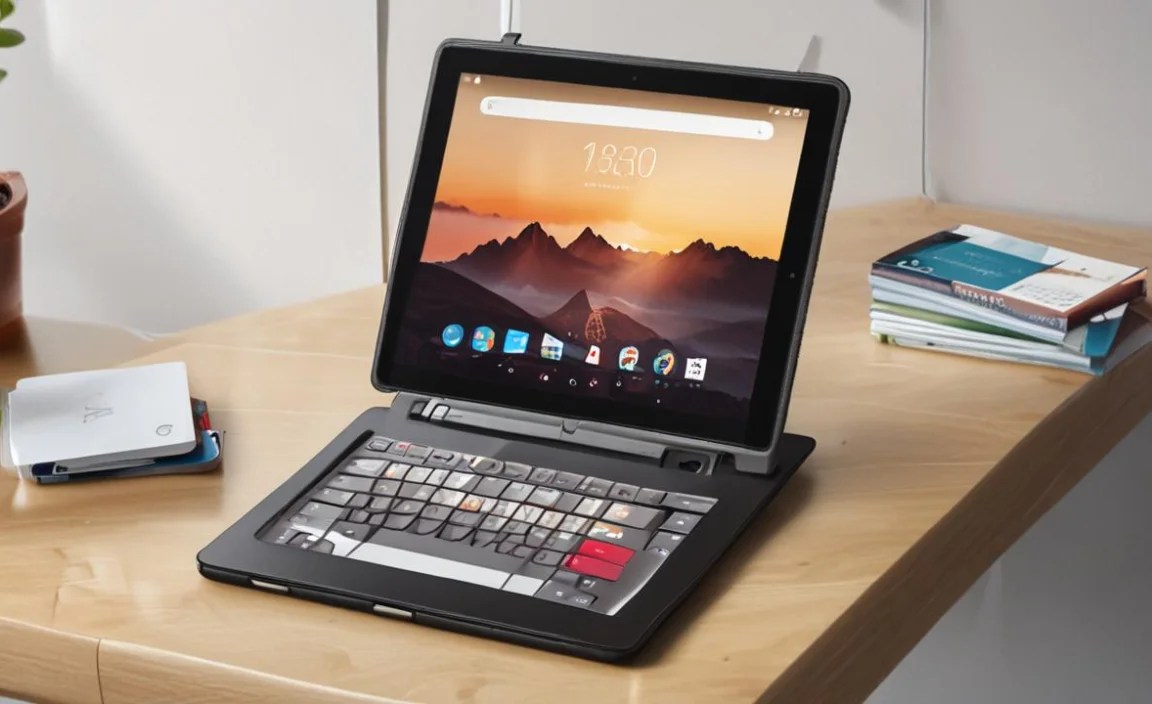
Sometimes, storage issues can indirectly affect tablet performance, including touch responsiveness. When a tablet’s internal storage is critically low, the operating system struggles to perform essential functions, which can sometimes manifest as touch lag or unresponsiveness. Clearing space and ensuring your SD card is properly implemented can help alleviate these symptoms.
However, if you are experiencing actual touchscreen problems (e.g., ghost touches, unresponsiveness in certain areas, or a completely dead screen), it’s often a hardware issue. For the RCA Tablet 7 Voyager, and many similar budget tablets, a common fix is related to the digitizer cable connection.
What is the Digitizer Cable?
The digitizer is the layer that registers your touch input. It’s connected to the tablet’s motherboard via a flex cable. Sometimes, this cable can become slightly dislodged or loose due to minor impacts or manufacturing tolerances.
The DIY Touchscreen Fix (Proceed with Caution!)
Disclaimer: This is an advanced fix and involves opening your tablet. If you are not comfortable with electronics or voiding any potential warranty, do not attempt this. Tabletzoo is not responsible for any damage incurred. Always back up your data before attempting any hardware manipulation.
Tools You Might Need:
- A plastic opening tool (spudger) or guitar pick.
- Small Phillips head screwdrivers (usually #0 or #1).
- A thin, flat tool (like a plastic card) for prying case seams.
- Optional: A hairdryer or heat gun (on low setting) to soften adhesive.
- Optional: Tweezers.
General Steps (Vary by exact model):
- Research Your Specific Model: Look for teardown videos or guides for the RCA Tablet 7 Voyager if available.
- Power Off & Remove Back Panel: Power off the tablet. You’ll need to carefully pry the rear plastic casing off. Start gently at a seam and work your way around. Some models might have screws hidden under rubber feet or stickers.
- Disconnect Battery: Once open, the first and most critical step is to locate and disconnect the battery. This prevents short circuits.
- Locate the Digitizer Cable: This is typically a thin, ribbon-like cable connected to the motherboard. It runs from the display assembly to the main board.
- Gently Reseat the Cable: Carefully unlatch the connector (often a small clip or lever) and gently pull the cable out partway. Then, firmly push it back in, ensuring it’s straight and fully seated. Then, re-secure the latch.
- Reconnect Battery: Reconnect the battery.
- Test: Before fully reassembling, power on the tablet to see if the touchscreen is now responsive.
- Reassemble: If the touchscreen is working, power off the tablet again, disconnect the battery, and carefully reassemble the casing.
While this fix is highly effective for many touch issues related to loose connections, it’s essential to be gentle. If the cable is torn or damaged, it will need replacement, which can be more complex.
Optimizing Your RCA Tablet 7 Voyager for Performance
After upgrading your storage and potentially fixing touch issues, here are a few general tips to keep your RCA Tablet 7 Voyager running smoothly:
- Keep Software Updated: Ensure your tablet is running the latest available Android OS version and app updates. These often include performance improvements and bug fixes.
- Disable Unnecessary Animations: For older or less powerful devices, disabling animations can make the interface feel snappier. You can find these options in the Developer Options menu (which you can enable by tapping the “Build number” in Settings > About tablet seven times).
- Restart Regularly: A simple restart can clear out temporary files and processes that might be slowing down your tablet. Aim to do this at least once a week.
- Use Lightweight Apps: For apps like Facebook, Twitter, or messaging, consider using their “Lite” versions if available. These are designed to use less storage and fewer system resources.
- Disable Auto-Sync for Unused Accounts: In Settings > Accounts, you can manage which accounts sync data and how often. Turn off auto-sync for accounts you don’t need constantly updated.
RCA Tablet 7 Voyager Storage & Touchscreen Fix: Summary Table
Here’s a quick look at the solutions for common issues:
| Problem | Primary Solution(s) | Notes |
|---|---|---|
| Insufficient Storage Space | Uninstall Apps, Clear Cache/Data, Delete Media, Use MicroSD Card | MicroSD card offers a significant capacity increase. |
| Slow Performance due to Low Storage | Free up Space, Install MicroSD Card, Restart Tablet | System operates better with ample free space. |
| Touchscreen Lag or Unresponsiveness | Free up Storage Space, Reseat Digitizer Cable (Advanced) | Storage issues can cause lag. Hardware connection issues require careful repair. |
| Unable to Install/Update Apps | Free up Internal Storage, Install MicroSD Card, Move Apps to SD Card (if possible) | Prioritize internal space for critical apps. |
| Camera Cannot Save Photos | Change Camera App Settings to |

Your tech guru in Sand City, CA, bringing you the latest insights and tips exclusively on mobile tablets. Dive into the world of sleek devices and stay ahead in the tablet game with my expert guidance. Your go-to source for all things tablet-related – let’s elevate your tech experience!