Quick Summary: Finding the top tablets for fitness tracking for beginners doesn’t have to be overwhelming. Look for great battery life, clear displays, and reliable app compatibility to easily monitor your health and workouts from day one.
Getting started with fitness tracking can feel like a big step, and choosing the right device might seem complicated. Many of us want to keep an eye on our activity, but the sheer number of options can leave us feeling a bit lost. Don’t worry! With a few simple tips, you can find a tablet that’s perfect for your fitness journey. We’ll walk through what to look for and highlight some fantastic beginner-friendly choices to help you stay motivated and informed.
Top Tablets For Fitness Tracking: Essential Beginner Buys
As a fitness enthusiast or someone just starting on their health journey, having a reliable way to track your progress is key. While dedicated fitness trackers and smartwatches are popular, a tablet can offer a larger, more interactive screen for viewing your stats, following workout videos, and planning your meals. For beginners, the goal is to find a device that’s easy to use, affordable, and capable of running all your essential fitness apps smoothly.
This guide is designed to simplify your search. We’ll break down the most important features to consider, demystify some common tech terms, and introduce you to some of the best tablets that fit the bill for fitness tracking beginners. Get ready to discover a device that supports your wellness goals without breaking the bank or causing confusion.
What to Look For in a Beginner Fitness Tracking Tablet

When you’re starting out, you don’t need the most advanced or expensive tablet. Focus on the features that will genuinely enhance your fitness tracking experience. Think about how you’ll use it most and prioritize accordingly. Here are the essential elements to keep in mind:
1. Display Quality and Size
You’ll be looking at your stats, workout routines, and maybe even digital cookbooks. A screen that’s easy on the eyes is crucial. Look for a display that’s bright enough to see outdoors (if you plan to exercise in the sun) and has a decent resolution so text and images are sharp. A screen size between 8 and 11 inches is usually a sweet spot for tablets – large enough to see details clearly but still portable.
2. Battery Life
Nothing is more frustrating than your device dying mid-workout or just when you need to log your progress. Tablets with good battery life can last a full day or more on a single charge. This is especially important if you plan to use your tablet for streaming workout videos or keeping it handy for quick checks throughout the day.
3. App Compatibility and Performance
Your tablet needs to run your favorite fitness apps smoothly. Whether it’s for tracking steps, logging calories, finding guided meditations, or streaming fitness classes, ensure the tablet can handle these tasks without lagging. Most modern tablets can run popular apps, but checking reviews or specifications for processor speed and RAM can give you peace of mind.
4. Storage Space
While fitness apps themselves don’t take up much space, if you plan to download workout videos, music for your workouts, or store a lot of photos of your progress, you’ll want ample storage. Look for tablets with at least 32GB of internal storage, or opt for models that support expandable storage via microSD cards.
5. Durability and Portability
You might be taking your tablet to the gym, on runs, or just around the house. A sturdy build is a plus, though for beginners on a budget, a good protective case is often the most practical solution. Think about how you’ll carry it – a lighter, thinner tablet is easier to transport.
6. Price Point
For beginners, it’s wise to start with a more affordable option. You can get excellent tablets for fitness tracking without spending a fortune. This allows you to get a feel for tablet-based tracking and upgrade later if needed. Focus on value, not just the lowest price.
Top Tablet Picks for Beginner Fitness Trackers

Based on the criteria above, here are some excellent tablet models that are perfect for beginners looking to get into fitness tracking. These options balance performance, features, and affordability.
1. Amazon Fire HD 10
The Amazon Fire HD 10 is often praised for its incredible value. It offers a vibrant 10.1-inch display, decent battery life, and access to millions of apps, including many popular fitness and wellness applications. Its robust build also makes it quite durable for everyday use.
- Pros: Excellent price, bright display, good battery life, durable.
- Cons: Primarily uses Amazon Appstore (though Google Play can be sideloaded), performance can be slower for very demanding tasks.
- Ideal For: Budget-conscious beginners who want a reliable tablet for streaming workouts and basic tracking.
2. Apple iPad (Standard Model)
The standard iPad remains a top choice for many due to its seamless user experience, excellent app ecosystem, and strong performance. It’s incredibly easy to use, and the brightness and clarity of its Retina display are fantastic for viewing details. While more expensive than the Fire HD 10, its longevity and vast library of high-quality fitness apps make it a solid investment.
- Pros: User-friendly interface, superb app selection (App Store), brilliant display, great performance, long-term software support.
- Cons: Higher price point, storage upgrades can be costly.
- Ideal For: Beginners who want a polished, powerful, and reliable device with access to the widest range of fitness apps.
For more information on Apple’s commitment to accessibility and user experience, check out Apple’s Accessibility page.
3. Samsung Galaxy Tab A Series (e.g., Tab A8 or Tab A9)
Samsung’s Galaxy Tab A series offers a great balance of features and price. These tablets typically boast bright displays, good battery life, and run on Android, giving you access to the extensive Google Play Store. They are reliable workhorses for everyday tasks, including fitness tracking and streaming.
- Pros: Good value, access to Google Play Store, decent performance, often Samsung’s One UI is intuitive.
- Cons: Performance might not be top-tier for very intensive apps, software updates can be slower than some competitors.
- Ideal For: Android users who want a dependable tablet for general use and fitness tracking at a reasonable cost.
4. Lenovo Tab M Series (e.g., Tab M10)
Lenovo’s Tab M series provides affordable tablets that are perfect for casual use and fitness tracking. They often feature good battery life and clear displays, making them practical for following along with workout routines or checking your progress. They run on Android, offering access to a wealth of apps.
- Pros: Very affordable, good battery, clear screen, widely available.
- Cons: Performance can be basic, app selection may have slightly less polish than on an iPad.
- Ideal For: Entry-level users on a tight budget looking for a functional screen for fitness apps and content.
Setting Up Your Tablet for Fitness Tracking

Once you’ve chosen your tablet, setting it up for fitness tracking is straightforward. Here’s a simple process to get you going:
- Charge Your Tablet: Ensure your new tablet is fully charged before you start.
- Connect to Wi-Fi: Connect to your home Wi-Fi network to download apps and sync data.
- Set Up an Account: For Apple iPads, you’ll need an Apple ID. For Android tablets, you’ll need a Google account. This is essential for accessing app stores and cloud services.
- Download Fitness Apps: Head to your device’s app store (App Store for iPad, Google Play Store for Android) and search for your preferred fitness tracking apps. Popular choices include:
- MyFitnessPal (calorie counting, nutrition tracking)
- Strava (running, cycling, walking tracking)
- Nike Training Club (guided workouts)
- Fitbod (personalized strength training)
- Calm or Headspace (meditation and mindfulness)
- Sync with Wearables (Optional): If you have a smartwatch or fitness band, pair it with your tablet via Bluetooth. This allows your tablet to receive data from your wearable device for a more complete picture of your health.
- Organize Your Home Screen: Place your most-used fitness apps in easily accessible spots, perhaps in a dedicated folder.
Tips for Maximizing Your Tablet’s Fitness Tracking Capabilities

To get the most out of your tablet as a fitness companion, consider these practical tips:
- Use a Tablet Stand or Mount: This is especially useful when following workout videos. Whether it’s a stand for your kitchen counter while cooking healthy meals or a mount for your treadmill, it keeps the screen visible without you holding it.
- Invest in a Protective Case: Accidents happen! A good case can protect your tablet from bumps, drops, and spills, extending its lifespan. Look for ones with good grip.
- Optimize Battery Settings: Many tablets have battery-saver modes or can adjust screen brightness automatically. Use these to extend your tablet’s life between charges, especially if you’re away from a power source.
- Keep it Clean: Regularly wipe down your tablet screen, especially if you use it during sweaty workouts. A microfiber cloth works best.
- Explore Built-in Health Apps: Both Apple and Samsung offer their own health tracking platforms (Apple Health and Samsung Health). These can aggregate data from various apps and wearables, giving you a centralized overview of your well-being.
Understanding Fitness Tracking Data
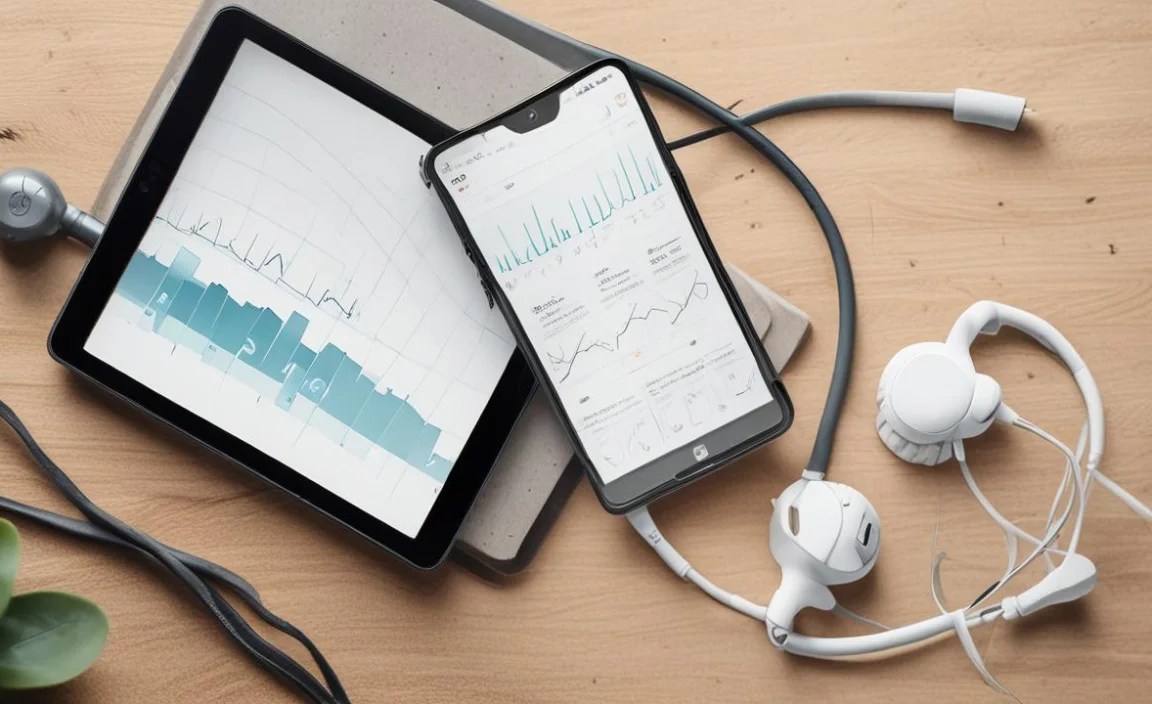
As you start tracking, you’ll see various metrics. Here’s a quick rundown of common ones beginners should know:
- Steps: The number of steps you take in a day. Most apps count this automatically via your phone or a connected wearable.
- Calories Burned: An estimate of how many calories your body has used based on your activity, basal metabolic rate (BMR), and other factors.
- Active Minutes: Time spent engaged in moderate to vigorous physical activity.
- Heart Rate: Your pulse, which can indicate exercise intensity and cardiovascular health.
- Sleep Tracking: Monitors your sleep patterns, including duration and quality (light, deep, REM sleep).
Understanding what these numbers mean can help you set realistic goals and make informed decisions about your health. For more detailed information on understanding health metrics, you might find resources from organizations like the Centers for Disease Control and Prevention (CDC) on healthy weight useful.
Frequently Asked Questions (FAQ)
Q1: Do I need a separate fitness tracker if I have a tablet?
Not necessarily! Many tablets have built-in sensors that can track steps and general activity. However, for more accurate and detailed tracking (like continuous heart rate monitoring or GPS for runs), a dedicated smartwatch or fitness band paired with your tablet is ideal.
Q2: Are tablets good for following workout videos?
Yes! Their larger screens make them excellent for following along with on-screen instructors, whether you’re doing yoga, HIIT, or strength training. Just make sure the tablet has a stable stand or mount for comfortable viewing.
Q3: Can I track my diet on a tablet?
Absolutely. There are numerous nutrition and calorie-tracking apps available for both Android and iOS tablets, such as MyFitnessPal or Lose It!, which offer user-friendly interfaces for logging meals and monitoring your intake.
Q4: How much storage do I need for fitness apps?
Most fitness apps are relatively small. For basic tracking, 32GB of storage is usually sufficient. If you plan to download many workout videos or music playlists for your fitness sessions, consider 64GB or more, or opt for a tablet with a microSD card slot for expandable storage.
Q5: Are expensive tablets necessary for fitness tracking?
No. For beginners, affordable tablets like the Amazon Fire HD 10 or Samsung Galaxy Tab A series offer more than enough functionality for tracking workouts, following videos, and managing health data. You can always upgrade later if your needs change.
Q6: Can my tablet help with mental wellness tracking?
Yes, many tablets can run meditation and mindfulness apps like Calm or Headspace. They are also great for following guided breathing exercises or simply finding a quiet corner to de-stress with calming content.
Conclusion
Choosing the right tablet to kickstart your fitness tracking journey is a great decision. By focusing on essential features like a clear display, long battery life, and reliable app compatibility, you can find a device that truly supports your goals without overwhelming you. Whether you opt for the unbeatable value of an Amazon Fire HD 10, the polished ecosystem of an Apple iPad, or the balanced offerings of a Samsung Galaxy Tab, you’re setting yourself up for success.
Remember, the best tablet is the one that fits your lifestyle and budget. Start with the options we’ve discussed, set them up with your favorite fitness apps, and remember to utilize tips like protective cases and stands. With your new tablet in hand, you’re well on your way to a more active and healthier you. Happy tracking!

Your tech guru in Sand City, CA, bringing you the latest insights and tips exclusively on mobile tablets. Dive into the world of sleek devices and stay ahead in the tablet game with my expert guidance. Your go-to source for all things tablet-related – let’s elevate your tech experience!