Choosing the right top tablets for homeschooling comparison involves finding a device that balances educational features, durability, and value. Whether you need a robust tool for interactive lessons or a versatile gadget for creative projects, this guide breaks down the best options to make your decision effortless.
Top Tablets For Homeschooling Comparison: Essential Picks
Navigating the world of tablets for homeschooling can feel overwhelming, right? You want a device that’s not just a screen, but a genuine learning partner for your child. It needs to handle educational apps, support research, and maybe even dabble in digital art or coding. The sheer number of choices out there – with their specs and confusing jargon – can make anyone feel a little lost. But don’t worry! I’m here at Tabletzoo to help you cut through the noise. We’ll explore some of the absolute best tablets perfect for any homeschooling journey, making sure you find a device that’s just right for your family’s educational adventure!
Why Tablets Are Great for Homeschooling

Tablets have revolutionized the way we learn and teach, especially in a homeschooling environment. They offer a dynamic and interactive platform that goes far beyond traditional textbooks. Here’s why they’ve become an essential tool for many families:
- Interactive Learning: Educational apps can bring subjects to life with engaging visuals, simulations, and gamified lessons.
- Access to Resources: A tablet provides instant access to a vast universe of online encyclopedias, educational videos, digital libraries, and learning platforms like Khan Academy.
- Portability & Flexibility: Lessons can happen anywhere – the living room couch, a park bench, or even a cozy cafe. This flexibility is key for personalized learning.
- Digital Literacy: Using tablets helps children develop crucial digital skills they’ll need for future academics and careers.
- Organization: Keep all learning materials, assignments, and notes in one place, reducing clutter and making study sessions more efficient.
- Customization: Tailor the learning experience to your child’s specific needs and interests by choosing the right apps and content.
Key Features to Consider for Homeschooling Tablets

When you’re comparing tablets for your homeschool setup, keep these essential features in mind:
- Operating System (OS): The main types are iOS (Apple), Android, and Windows. Each has its own ecosystem of apps, user interface, and compatibility.
- iOS (iPads): Known for its user-friendly interface, strong app store curation, and robust parental controls. Great for younger kids due to simplicity.
- Android (Samsung, Amazon Fire, etc.): Offers more customization, a wider range of hardware options at various price points, and open access to Google’s services.
- Windows (Microsoft Surface): Provides a full desktop experience, making it ideal for older students who need to run more complex software or prefer a traditional computer interface.
- Screen Size and Resolution: A larger screen (10 inches or more) is generally better for reading, writing, and viewing educational content. Good resolution ensures clarity.
- Storage Space: Look for at least 64GB, especially if you plan to download lots of apps, e-books, and educational videos. Expandable storage via microSD card is a big plus for Android devices.
- Processor and RAM: These affect how smoothly the tablet runs, especially with multiple apps or demanding educational software. For homeschooling, aim for something that feels responsive, not sluggish.
- Battery Life: Essential for a full day of learning without constant charging. Look for devices that promise 8-10 hours or more of active use.
- Durability and Build Quality: Kids can be tough on devices. Consider sturdy build materials or invest in a protective case (often sold separately). Some tablets are specifically designed with durability in mind.
- Stylus/Pen Support: If your child will be doing digital art, note-taking, or math practice, a tablet that supports a stylus is a significant advantage. Check if the pen is included or an extra purchase.
- Parental Controls: Robust parental controls are crucial for managing screen time, content access, and in-app purchases.
- Camera Quality: Important for video calls with tutors, submitting assignments, or participating in virtual field trips.
- Price: Tablets range from budget-friendly options to premium devices. Determine your budget first.
Our Top Picks: Essential Tablets for Homeschooling

Based on performance, features, and overall value for educational purposes, here are some of the best tablets you can consider for your homeschooling needs:
1. Apple iPad (Standard Model) – The All-Rounder
The standard iPad remains a top choice for a reason. It offers a fantastic balance of performance, ease of use, and access to a vast educational app library. It’s intuitive, reliable, and gets regular software updates, ensuring longevity.
Pros:
- Extremely user-friendly interface (iPadOS).
- Access to the extensive and high-quality App Store, filled with educational apps.
- Excellent performance for most tasks and apps.
- Strong parental controls and Family Sharing features.
- Supports Apple Pencil (1st or USB-C generation) for note-taking and drawing.
- Good battery life.
Cons:
- Stylus and keyboard accessories are additional costs.
- Base storage (64GB) might be limiting for some.
- Less customization compared to Android.
Ideal for: Families looking for a reliable, easy-to-use tablet that offers a smooth educational experience for all ages. It’s a great entry point into the Apple ecosystem for learning.
2. Apple iPad Air – Performance Boost
If you need a bit more power than the standard iPad but don’t want to jump to the Pro models, the iPad Air is a superb option. It often features newer processors, a slightly more modern design, and enhanced stylus support.
Pros:
- Powerful performance, great for more demanding apps or multitasking.
- Supports Apple Pencil 2nd generation (magnetic charging and pairing) and Magic Keyboard.
- Sleek design with thinner bezels.
- Excellent display quality.
- All the benefits of iPadOS and the App Store.
Cons:
- Higher price point than the standard iPad.
- Accessories are still sold separately.
- Base storage can still be a concern for heavy users.
Ideal for: Homeschoolers who might be dabbling in digital art, video editing, or using more complex learning software, and appreciate a premium build.
3. Samsung Galaxy Tab A9+ – Budget-Friendly Android Power
Samsung consistently delivers great value, and the Galaxy Tab A-series is perfect for budget-conscious families. The A9+ offers a large screen and respectable performance for its price.
Pros:
- Affordable price point.
- Large display (often 11 inches on the Plus model) is great for viewing content.
- Runs Android, offering flexibility and access to Google Play Store.
- Expandable storage via microSD card is usually supported.
- Decent battery life.
- Samsung Kids offers a safe, curated environment for younger learners.
Cons:
- Performance might lag with very demanding apps or heavy multitasking compared to higher-end iPads.
- Build quality is good for the price but not as premium as Apple or higher-end Samsung models.
- Stylus support might be limited or not as advanced.
Ideal for: Families needing a capable and affordable Android tablet for general educational use, reading, and browsing. Great for multiple children splitting device time.
4. Samsung Galaxy Tab S series (e.g., Tab S9 FE or Tab S9) – Premium Android Performance
For those who prefer Android but want top-tier performance and features, Samsung’s Tab S series is the way to go. These tablets often rival iPads in power and come with the S Pen included.
Pros:
- Excellent performance, often with flagship processors.
- Included S Pen for precise drawing and note-taking out of the box.
- Stunning AMOLED displays (on higher-end models) for vibrant visuals.
- Samsung DeX allows for a desktop-like experience for productivity.
- Good build quality and often water resistance.
- Expandable storage.
Cons:
- Significantly more expensive than budget Android tablets.
- The full range of educational apps might still be better optimized for iPadOS in some cases.
Ideal for: Homeschoolers who need a powerful Android device for advanced learning, creative tasks, and productivity, with the added benefit of a bundled stylus.
5. Amazon Fire HD Tablets (e.g., Fire HD 10) – The Ultra-Budget Option
If your budget is very tight or you’re looking for a simple device primarily for content consumption and specific apps, Amazon’s Fire HD tablets are incredibly affordable. They run Amazon’s Fire OS, a customized version of Android.
Pros:
- Extremely low price, making them very accessible.
- Good screen for media consumption.
- Durable build, especially the Kids Edition.
- Amazon Kids+ subscription offers a wealth of child-friendly content.
- Decent battery life.
Cons:
- The Amazon Appstore has fewer educational apps compared to Google Play or Apple App Store.
- Performance is basic; struggles with multitasking or demanding apps.
- Fire OS is more limited and ad-supported unless you pay to remove them or get the ad-free version.
- Less powerful processors.
Ideal for: Very young learners, supplemental learning for specific subjects, or as a secondary device strictly for educational games and reading, where budget is the primary concern.
6. Microsoft Surface Go 3 (or newer) – The Versatile Hybrid
For older homeschoolers who need a device that can truly double as a laptop, the Microsoft Surface Go series offers a full Windows experience in a tablet form factor. It’s excellent for research, writing papers, and running desktop software.
Pros:
- Runs full Windows 11, offering compatibility with practically any desktop software.
- Excellent for note-taking and traditional productivity.
- Optional Type Cover (sold separately) turns it into a functional laptop.
- Supports Surface Pen (typically sold separately) for drawing and inking.
- Good for older students who need a versatile device.
Cons:
- Can be expensive once you add the keyboard and pen.
- Performance is adequate for basic tasks but not for intensive work.
- Battery life can be inconsistent depending on usage.
- Windows interface might be less intuitive for very young children than iPadOS or Android.
Ideal for: Middle school and high school students who need a device that bridges the gap between tablet and laptop, excelling in productivity and complex research.
Comparison Table: Key Specs at a Glance
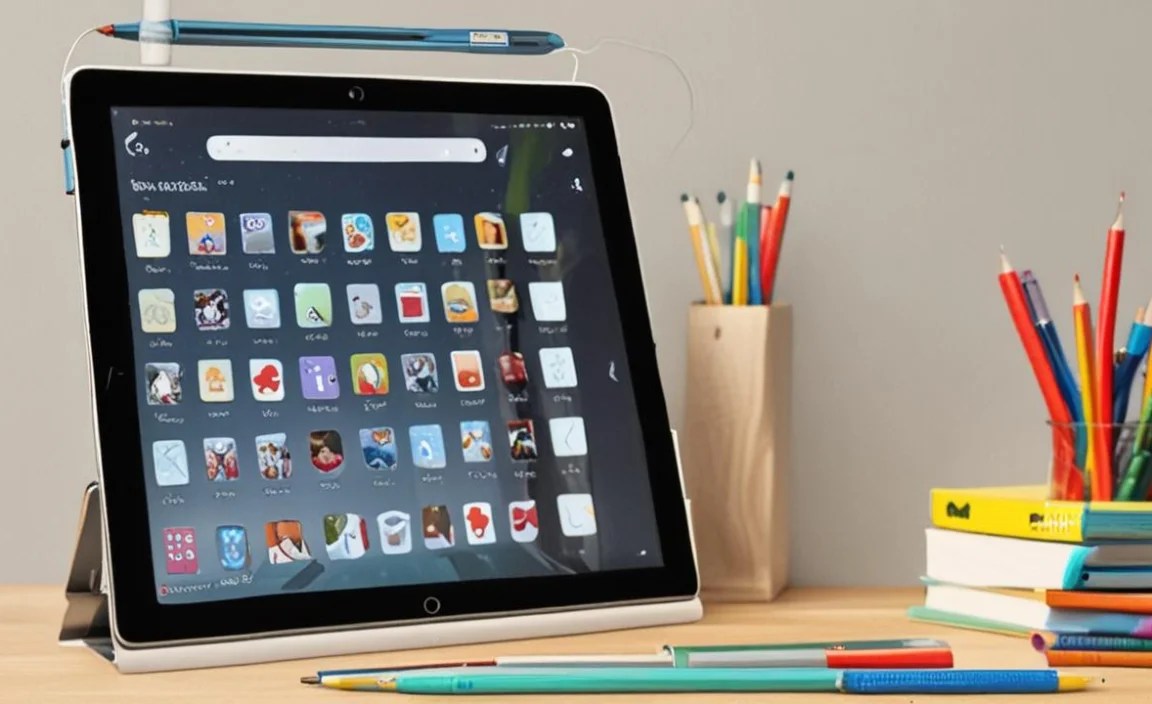
Here’s a quick look at how some of these top homeschooling tablets stack up. These are general specifications and may vary by specific model year and configuration.
| Feature | Apple iPad (Standard) | Samsung Galaxy Tab A9+ | Amazon Fire HD 10 | Microsoft Surface Go 3 |
|---|---|---|---|---|
| Display Size | 10.2 inches | 11 inches | 10.1 inches | 10.5 inches |
| Operating System | iPadOS | Android | Fire OS (based on Android) | Windows 11 |
| Stylus Support | Yes (Apple Pencil 1st Gen/USB-C) – Sold Separately | Varies by model, often limited | No (unless third-party) | Yes (Surface Pen) – Sold Separately |
| Storage Options | 64GB, 256GB | 64GB, 128GB (Expandable) | 32GB, 64GB (Expandable) | 64GB, 128GB |
| Processor | A13 Bionic | Snapdragon 695 | MediaTek (Octa-core) | Intel Pentium/Core i3 |
| Price Range (Approximate) | $$ – $$$ | $ – $$ | $ | $$$ – $$$$ |
| Best For | All-around learning, ease of use | Budget-friendly Android, large display | Ultra-budget, basic content consumption | Windows productivity, older students |
Note: Price ranges are relative ($ = lowest, $$$$ = highest) and do not include accessories like keyboards or higher-tier storage. Always check current pricing and specific model configurations.
Making the Most of Your Homeschooling Tablet

Once you’ve chosen your tablet, here are some tips to ensure it becomes a powerful educational tool:
- Curate Educational Apps: Explore app stores for subjects like math, science, language arts, history, and coding. Look for well-rated apps that align with your curriculum. Websites like Common Sense Media offer reviews of apps for kids.
- Set Up Parental Controls: Don’t skip this step! Configure screen time limits, block inappropriate websites or apps, and manage in-app purchases to ensure a safe and focused learning environment. Both Apple and Android offer comprehensive tools for this.
- Utilize Cloud Storage: Services like Google Drive, iCloud, or Dropbox are invaluable for saving and accessing schoolwork, downloaded resources, and projects from any device.
- Invest in Accessories: A good protective case is a must for any tablet used by children. A stylus can significantly enhance note-taking and drawing. A Bluetooth keyboard can transform a tablet into a more capable writing machine, especially for longer assignments.
- Integrate with Other Devices: If you have other computers or devices, ensure your chosen tablet can sync with them seamlessly for file sharing and collaboration.
- Schedule Tech-Free Time: While tablets are great learning tools, it’s also important to encourage offline activities, reading physical books, and hands-on learning to ensure a well-rounded education. The U.S. Department of Education offers resources on integrating technology effectively in education, which can provide valuable insights: Digital Learning Equity and Access.
- Explore Online Learning Platforms: Leverage platforms like Coursera, Udemy, edX, or specialized homeschooling platforms that offer structured courses and interactive lessons.
Frequently Asked Questions (FAQs)
What is the best tablet for kindergarteners?
For kindergarteners, simplicity and durability are key. The Amazon Fire HD 8 Kids Edition is a fantastic choice due to its extreme affordability, rugged case with built-in stand, robust parental controls, and the included Amazon Kids+ content subscription. The standard Apple iPad is also excellent if your budget allows, offering a smoother experience and broader app selection with strong parental controls.
Do I need a tablet with pen support for homeschooling?
It depends on your child’s learning style and curriculum. If your child enjoys drawing, digital art, taking handwritten notes, or doing math problems directly on screen, then a tablet with good stylus support (like iPads with Apple Pencil or Samsung tablets with S Pen) is highly recommended. If their primary use will be watching videos, reading ebooks, and using standard apps, it might not be essential.
How much storage do I

Your tech guru in Sand City, CA, bringing you the latest insights and tips exclusively on mobile tablets. Dive into the world of sleek devices and stay ahead in the tablet game with my expert guidance. Your go-to source for all things tablet-related – let’s elevate your tech experience!