Ever dreamt of editing videos on the go, transforming raw footage into polished masterpieces right from your tablet? It sounds amazing, but finding the right tablet for video editing can feel overwhelming. With so many options, specs, and features, it’s easy to get lost. Don’t worry! We’re here to cut through the confusion. This guide will help you understand exactly what makes a tablet great for video editing and walk you through our top recommendations. Get ready to find the perfect creative companion!
Why Tablets Are Becoming Video Editing Powerhouses

Tablets have come a long way. Once primarily for browsing and casual games, they’ve evolved into powerful mobile workstations. For video editing, this means you no longer need to be tethered to a bulky desktop computer. Lighter, more portable, and increasingly powerful, modern tablets offer a surprisingly capable platform for editing videos. Whether you’re a budding vlogger, a social media influencer, or someone who just wants to make their holiday videos shine, a good tablet can make the process smoother and more enjoyable.
The advancements in processing power, screen quality, and stylus support mean that complex tasks like trimming clips, adding effects, and color grading are now genuinely feasible on a tablet. Plus, many editing apps are designed with touch interfaces in mind, making them intuitive and easy to learn. We’ll dive into what you should look for to ensure your chosen tablet can handle the demands of video editing without the frustrating lag or crashes.
What to Look For: Essential Tablet Specs for Video Editing
![Top Tablets for Video Editing in [Current Year]](https://i2.wp.com/tabletzoo.com/wp-content/uploads/2026/03/top-tablets-for-video-editing-in-current-year-1.webp)
When you’re editing video, you’re asking a lot out of your device. It needs to be fast, have a great screen, and be able to handle large files. Think of these specs as the engine and dashboard of your video-editing car – they need to be top-notch!
1. Processing Power (CPU & GPU)
This is like the brain of your tablet. For video editing, you need a strong processor (CPU) and a good graphics processor (GPU). They work together to render your videos, apply effects, and ensure smooth playback. More cores and higher clock speeds generally mean better performance.
- Look for: High-end chips like Apple’s A-series (Bionic) or M-series chips, or Qualcomm’s Snapdragon 800-series. These are designed for demanding tasks.
- Why it matters: Faster processing means quicker rendering times and a smoother editing experience, especially with higher resolution footage (like 4K).
2. RAM (Random Access Memory)
RAM is your tablet’s short-term memory. Video editing software and large video files consume a lot of RAM. The more RAM you have, the more tasks your tablet can handle simultaneously without slowing down. Imagine trying to juggle many balls at once – more hands (RAM) make it easier!
- Minimum: 4GB for very basic editing of short clips.
- Recommended: 8GB to 12GB for smoother editing of HD and some 4K footage.
- Ideal: 16GB or more for professional-level editing, complex projects, and 4K/8K footage.
3. Storage (Internal & Expandable)
Video files are HUGE. You’ll need plenty of space to store your raw footage, project files, and the final exported video. Internal storage is key, but consider options for external storage if you anticipate needing more.
- Internal Storage: Aim for at least 128GB, but 256GB or 512GB is highly recommended for serious editing.
- Expandable Storage: Some Android tablets offer microSD card slots, allowing you to add more storage affordably. This is a big plus!
- Cloud Storage: While useful for backups, relying solely on cloud storage for active editing can be slow due to upload/download speeds.
4. Display Quality
You need to see your footage clearly to edit it accurately. A good display means accurate colors, good brightness, and a high resolution.
- Resolution: Aim for at least Full HD (1920×1080). Higher resolutions like QHD or 4K offer more detail.
- Color Accuracy: Look for specs like DCI-P3 or high sRGB coverage. This ensures the colors you see on screen are true to life.
- Brightness: Higher nits (brightness measurement) are better for working in various lighting conditions.
- Size: A larger screen (10 inches or more) generally makes editing easier and more comfortable.
5. Ports and Connectivity
How will you get your footage onto the tablet and how will you connect accessories like external drives or microphones? USB-C is pretty much standard now and offers versatility.
- USB-C: Essential for fast data transfer, charging, and connecting accessories. Look for Thunderbolt support on some iPad Pros and high-end Windows tablets for even faster speeds.
- SD Card Reader: A built-in SD card reader is a huge convenience if you shoot with cameras that use SD cards.
- Wi-Fi & Cellular: Fast Wi-Fi is crucial for downloading footage and uploading finished edits. Cellular can be handy for editing on the go, but be mindful of data caps.
6. Stylus Support
While not strictly necessary, a stylus can significantly improve your editing precision, allowing for more accurate timeline scrubbing, precise cuts, and detailed color correction.
- Pressure Sensitivity: Important for nuanced adjustments.
- Palm Rejection: So you can rest your hand on the screen without it interfering.
Top Tablets for Video Editing in [Current Year]
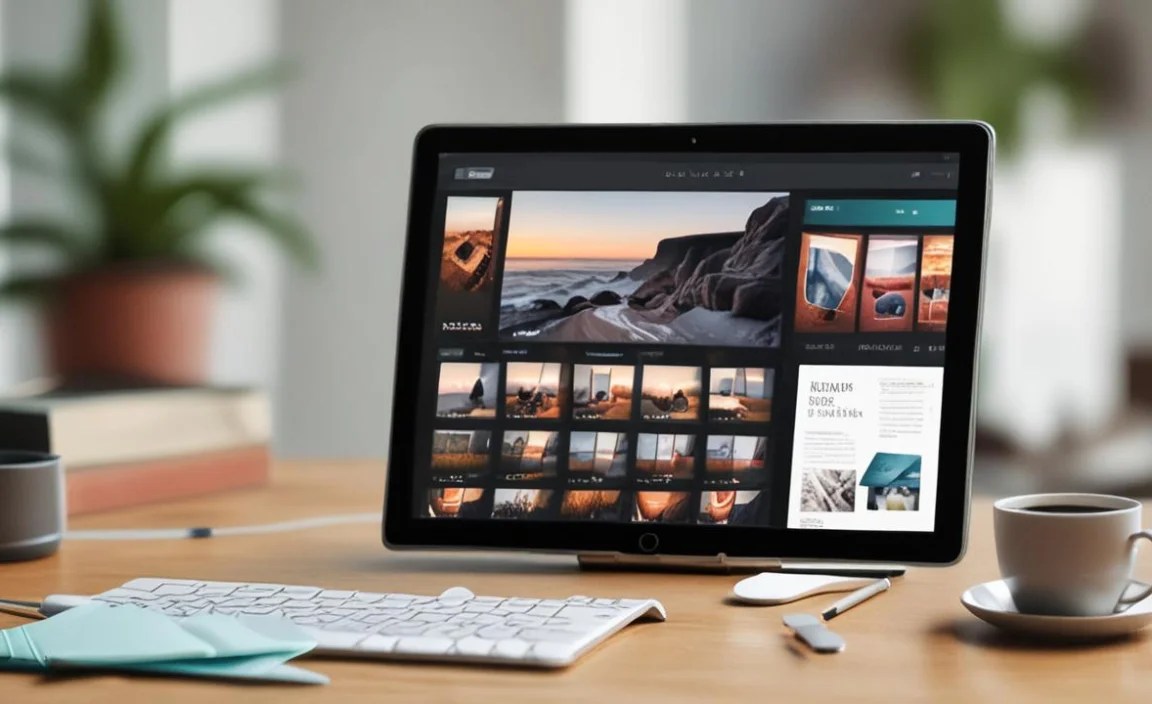
Finding the “best” tablet is subjective and depends on your budget and specific needs. However, based on the specs we’ve discussed, here are some of the top contenders that consistently perform well for video editing.
1. Apple iPad Pro (M2/M4 Chip)
The iPad Pro has long been a favorite for creative professionals, and for good reason. Its powerful M-series chips rival laptop performance, and the Liquid Retina or XDR displays are stunningly accurate and bright, perfect for color-critical work. Paired with the Apple Pencil, it offers unparalleled precision.
- Pros:
- Industry-leading performance with M-series chips.
- Exceptional display quality (color accuracy, brightness).
- Robust and intuitive iPadOS ecosystem with powerful apps like Final Cut Pro for iPad and LumaFusion.
- Excellent stylus support with Apple Pencil.
- Good for both 1080p and 4K editing.
- Cons:
- Can be expensive, especially with accessories like the Apple Pencil and Magic Keyboard.
- Storage options can push the price up significantly.
- Limited file management compared to desktop OS (though improving).
- Best for: Users who want top-tier performance, a fantastic display, and access to professional-grade editing apps. Ideal for creators invested in the Apple ecosystem.
2. Samsung Galaxy Tab S9 Series (S9, S9+, S9 Ultra)
Samsung’s flagship tablets offer a fantastic Android alternative, boasting powerful Snapdragon chips, beautiful AMOLED displays, and the excellent S Pen stylus included. The larger Ultra model provides ample screen real estate for detailed editing.
- Pros:
- Powerful Snapdragon 8 Gen 2 for Galaxy or newer chips provide excellent performance.
- Stunning AMOLED displays with vibrant colors and deep blacks.
- Includes the S Pen for precise control.
- More open file system than iPadOS, making file management easier.
- DeX mode offers a desktop-like experience for multitasking.
- Available in various screen sizes to suit your preference.
- Cons:
- While LumaFusion is available, specific professional apps seen on iPad might not have direct equivalents or might be less optimized.
- Performance might not always match the very top-tier M-series iPads for the most intensive tasks.
- Best for: Android users looking for a high-performance tablet with a gorgeous display and the flexibility of Android’s file management. Great for multitasking with DeX.
3. Microsoft Surface Pro 9/10
The Surface Pro blurs the line between tablet and laptop, running a full version of Windows. This means you can run desktop-grade editing software like Adobe Premiere Pro, DaVinci Resolve, or Final Cut Pro (if you’re using Mac software on Windows via Bootcamp, which is complex) directly on the device.
- Pros:
- Runs full Windows 10/11, allowing use of professional desktop editing software.
- Excellent build quality and versatile form factor.
- Supports the Surface Pen for precise input.
- Various configurations with Intel Core processors offer strong performance.
- Wide range of ports.
- Cons:
- Can get very expensive with higher-end configurations and accessories (Type Cover, Pen).
- Battery life can be average, especially when pushing performance limits.
- Screen for the standard Pro might be smaller than dedicated large-screen tablets.
- Windows touch interface isn’t always as fluid for editing sessions as specialized tablet UIs.
- Best for: Users who need to run full desktop editing software and prefer a Windows environment. Great for those who also need a productivity machine.
4. Lenovo Tab P12 Pro
A strong contender in the Android space, the Lenovo Tab P12 Pro offers a large, high-resolution AMOLED display and capable performance powered by a Snapdragon chip. It’s often more affordable than Samsung’s flagships, making it a compelling option for budget-conscious creators.
- Pros:
- Large, vibrant AMOLED display perfect for viewing footage.
- Solid performance for most editing tasks.
- Often comes with a stylus and keyboard accessory bundled or as an affordable add-on.
- Good value for money compared to some competitors.
- Cons:
- Performance might not match the absolute highest-end iPads or Samsung Tabs for extremely complex projects.
- Software optimizations for creative apps might vary.
- Best for: Those seeking a large, high-quality display at a more accessible price point, particularly for editing HD content and social media videos.
5. Apple iPad Air (M1/M2 Chip)
While the iPad Pro is the king, the iPad Air offers a fantastic balance of power and price. With the M1 or M2 chip, it’s more than capable of handling most video editing tasks, especially for standard HD and 4K footage for social media. It pairs seamlessly with the Apple Pencil.
- Pros:
- Excellent performance from M-series chips, making it very capable.
- Great display quality, especially for the price.
- Access to LumaFusion and other optimized iPad apps.
- More affordable than the iPad Pro.
- Lightweight and portable.
- Cons:
- Storage options are more limited than the Pro.
- Display isn’t as bright or color-accurate as the Pro’s XDR display.
- Apple Pencil and Magic Keyboard are additional purchases.
- Best for: Aspiring video editors, students, or casual creators who need a powerful and reliable tablet for editing without breaking the bank.
Choosing the Right Editing Apps
The hardware is only half the battle; the software you use is crucial. Fortunately, there are excellent video editing apps available for tablets:
For iPadOS:
- Final Cut Pro for iPad: Apple’s professional video editor ported to the iPad. Offers powerful multi-track editing, pro-level color correction, and integration features. A true game-changer for iPad editing.
- LumaFusion: The gold standard for mobile video editing on iOS, and now available on Android. It’s a professional, multi-track editor with a vast array of features, keyframing, advanced color tools, and export options. Often considered more feature-rich than many desktop editors for mobile.
- iMovie: Apple’s free, user-friendly video editor. Great for beginners and simple projects, offering templates, themes, and basic editing functions.
- CapCut: A popular, free app with a wide range of editing tools, effects, and templates, especially favored for social media content.
For Android:
- LumaFusion: Available on Android, offering the same powerful features as its iOS sibling.
- KineMaster: A feature-rich video editor with a user-friendly interface, multi-layer support, blending modes, and chroma key.
- PowerDirector: Another robust editor offering a good set of tools, montage videos, speed controls, and a variety of effects.
- CapCut: Also available and popular on Android for social media editing.
For Windows (Surface Pro):
- Adobe Premiere Pro: Industry-standard professional editing software. Runs flawlessly on capable Surface Pro models.
- DaVinci Resolve: A powerful, professional color grading, editing, VFX, and audio post-production tool. The Studio version is paid, but the free version is incredibly capable.
- Final Cut Pro (on Mac, not directly on Surface): If you’re a Mac user looking for a Windows tablet, remember that FCP is Mac-exclusive. You’d need to consider alternatives or a workflow involving a Mac.
Workflow Tips for Editing on a Tablet
Editing on a tablet is slightly different from a desktop. Here are some tips to make your workflow smoother:
- Organize Your Media: Before you start editing, transfer all your footage from your camera or phone to the tablet’s storage or a connected external drive. Create clear folders for each project.
- Use External Storage: As mentioned, video files are large. If your tablet doesn’t have enough internal storage, invest in a high-speed USB-C external SSD. This is often faster than using microSD cards for active editing. A report from TechRadar highlights the benefits of SSDs for demanding tasks.
- Master Keyboard Shortcuts (if applicable): If you use a keyboard with your tablet (like a Surface Pro keyboard or iPad Magic Keyboard), learn the keyboard shortcuts for your editing app. This can dramatically speed up your editing speed.
- Optimize Your Project Settings: When starting a new project, ensure your resolution, frame rate, and other settings match your source footage. This prevents unnecessary rendering load.
- Proxy Editing (if supported): Some advanced apps allow you to create lower-resolution “proxy” files of your footage. Editing with proxies is much smoother on less powerful hardware, and you can switch back to the high-resolution files for final export. LumaFusion and Premiere Pro support this.
- Keep Your Software Updated: App developers constantly optimize their software for performance and stability. Ensure you’re always running the latest versions of your editing apps and your tablet’s operating system.
- Manage Battery Life: Video editing is power-hungry. Keep your charger handy or work near a power outlet, especially during long editing sessions or rendering.
- Utilize Stylus for Precision: Whether it’s an Apple Pencil, S Pen, or Surface Pen, use it for fine-tuning edits, adjusting keyframes, or making precise color corrections. A study by Interaction Design Foundation discusses the benefits of direct manipulation interfaces, which is what styluses offer.
Tablets to Avoid for Video Editing
While almost any tablet can technically open a video file, some are simply not built for the demands of editing. You should generally steer clear of:
- Budget tablets with low RAM (2GB or less): Editing apps will struggle to load, and playback will be choppy.
- Tablets with very low internal storage (32GB or less): Once the OS and a few apps are installed, you’ll have very little space for footage.
- Older, underpowered processors: They simply won’t have the horsepower to handle modern video formats or editing tasks efficiently.
- Tablets without USB-C or with very old ports: Slow data transfer will be a major bottleneck.
These tablets are fine for browsing, casual gaming, or note-taking, but they’ll lead to immense frustration if you try to edit videos on them.
Frequently Asked Questions

Your tech guru in Sand City, CA, bringing you the latest insights and tips exclusively on mobile tablets. Dive into the world of sleek devices and stay ahead in the tablet game with my expert guidance. Your go-to source for all things tablet-related – let’s elevate your tech experience!