Thinking about starting a blog but unsure which tablet to choose? It can feel overwhelming with so many options out there! But don’t worry, we’re here to help you find the perfect tablet to make your blogging dreams a reality. This guide will break down the best choices to get you writing, editing, and publishing your awesome content with ease.
We’ll look at tablets that are great for typing, easy to carry, and have the power to run your favorite blogging apps. You’ll learn what features matter most and discover some fantastic options that won’t break the bank. Get ready to find your ideal blogging sidekick!
Recommended Tablets For Blogging Comparison: Genius Picks
So, you want to start blogging and you’ve heard tablets can be a great tool for it. You’re right! Tablets offer a fantastic balance of portability and functionality, making them perfect for writing posts on the go, editing photos from your travels, or even just jotting down inspiration whenever it strikes. But with so many models on the market, figuring out which one is best for your blogging needs can be a challenge. That’s where Tabletzoo steps in!
As Walter Moore from Tabletzoo, my goal is to make tech easy to understand. I know how confusing specs and brand names can get, but I promise we’ll cut through the noise. We’re going to compare some of the top tablets that are genuinely great for blogging, focusing on what really matters: comfort for writing, screen quality, battery life, and of course, value for money. Whether you’re a seasoned blogger looking for an upgrade or a complete beginner, this comparison is designed to guide you to a smart choice.
Why a Tablet is a Smart Choice for Bloggers

Before we dive into specific recommendations, let’s quickly chat about why a tablet can be such a brilliant tool for blogging. Think about it: you can easily slip a tablet into your bag, take it to a coffee shop, a park, or even travel the world with your blog in tow. No more hunching over a bulky laptop in awkward places!
- Portability: Light and slim, easy to carry anywhere.
- Ease of Use: Often more intuitive than laptops for quick tasks.
- Versatility: Great for writing, photo editing, social media, and more.
- Battery Life: Many tablets boast impressive battery life, letting you write for hours without needing a charger.
- App Ecosystem: Access to a huge range of blogging, writing, and editing apps.
Key Features to Look For in a Blogging Tablet

When you’re choosing a tablet specifically for blogging, a few features stand out as must-haves. We’re not just looking for the most powerful specs; we’re looking for the features that will make your blogging workflow smooth and enjoyable.
1. Display Quality for Comfortable Reading and Writing
You’ll be spending a lot of time looking at this screen, so it needs to be easy on your eyes. Look for:
- Resolution: Higher resolution (like Full HD or better) means sharper text and clearer images.
- Brightness: Enough brightness to see your screen clearly, even in sunny environments.
- Size: A larger screen (10 inches or more) generally makes typing and editing more comfortable.
2. Keyboard Compatibility and Typing Experience
Let’s be honest, long-form blogging requires comfortable typing. While on-screen keyboards work for short notes, for serious writing, you’ll want a tablet that supports an external keyboard.
- Official Accessories: Tablets from major brands often have dedicated, well-built keyboard cases.
- Third-Party Options: Many affordable Bluetooth keyboards can connect to almost any tablet.
- Ergonomics: If possible, try out a keyboard to see if the key travel and layout feel good to you.
3. Performance for Smooth Operation
You don’t need a supercomputer, but a tablet that lags or crashes will quickly turn your blogging hobby into a chore. Consider:
- Processor & RAM: Enough power to run your writing app, browser, and maybe an image editor without slowing down. 4GB of RAM is a good starting point; 6GB or 8GB is even better for multitasking.
- Storage: Ample space for your operating system, apps, and blog content (photos, drafts). 64GB is a minimum, with 128GB or more being ideal.
4. Battery Life to Stay Productive
A dead tablet is a useless tablet. For bloggers, long battery life is crucial. Most modern tablets can offer 8-10 hours of active use, which is usually more than enough for a day of writing or travel.
5. Operating System & Ecosystem
This often comes down to personal preference. The main players are:
- iPadOS (Apple): Known for its smooth performance, excellent app quality, and robust ecosystem. Great for creatives and those already in the Apple family.
- Android (Google): Offers a wide range of devices at various price points, high customizability, and open access to files.
- Windows (Microsoft): Blurs the line between tablet and laptop, offering full desktop-class applications. Excellent for those who need specific Windows software.
Top Tablet Recommendations for Bloggers
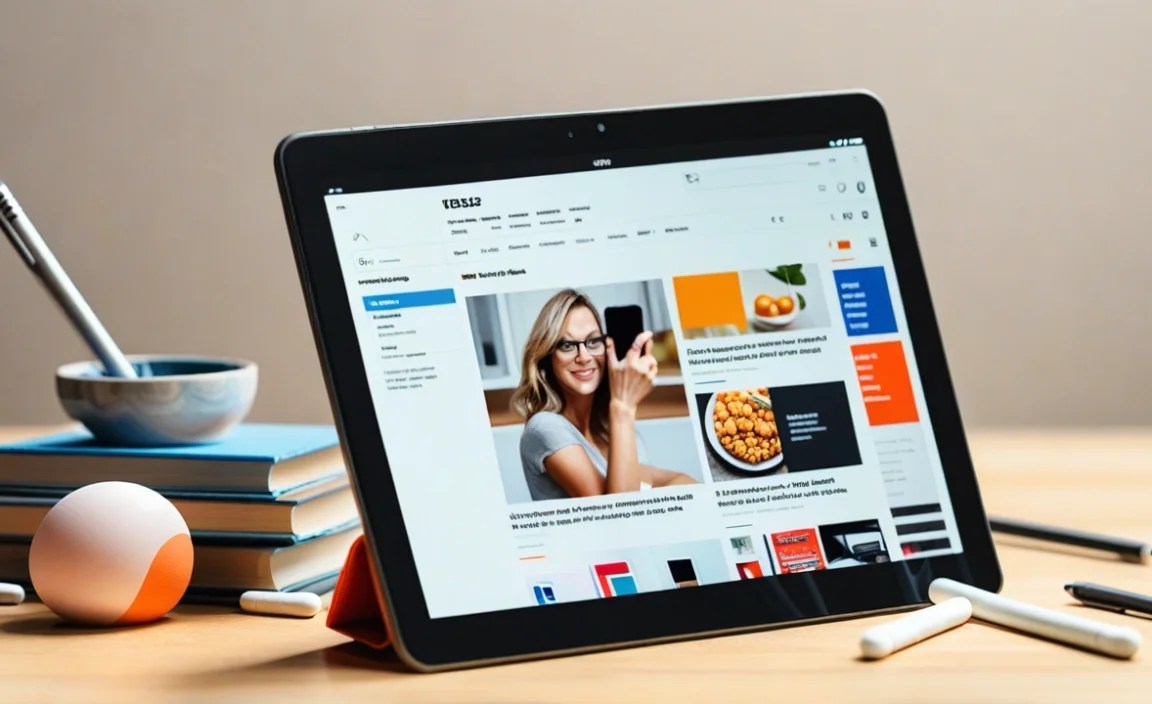
Now, let’s get down to the exciting part – which tablets are actually great for blogging right now? I’ve picked a few that consistently impress for their blogging capabilities, keeping different budgets and needs in mind.
1. Apple iPad (10th Generation) – The All-Around Excellent Choice
The latest standard iPad is a fantastic entry point into the Apple ecosystem and a superb tablet for blogging. It’s user-friendly, powerful enough for most blogging tasks, and works brilliantly with Apple’s Magic Keyboard or a third-party option.
- Pros:
- Bright, sharp 10.9-inch Liquid Retina display.
- Powerful A14 Bionic chip handles multitasking well.
- Excellent app store with professional writing and editing apps (like Ulysses, Scrivener, Procreate).
- Supports Apple Pencil (2nd Gen) for note-taking or sketching ideas.
- Good battery life.
- Excellent build quality and resale value. Learn more at Apple.com.
- Cons:
- Keyboard and Apple Pencil are separate purchases, adding significant cost.
- Entry-level storage (64GB) might be limiting for heavy media users.
- Ideal for: Beginners, students, general bloggers, those who love the Apple ecosystem.
2. Samsung Galaxy Tab S9 Series (S9, S9+, S9 Ultra) – The Android Powerhouse
Samsung’s flagship Tab S9 series offers premium Android tablets that can rival many laptops. They come with the S Pen stylus included, and their DeX mode provides a desktop-like experience, making them incredibly versatile for productivity.
- Pros:
- Stunning AMOLED displays with vibrant colours and deep blacks (IP68 water resistance is a bonus!).
- Powerful Snapdragon processors ensure smooth performance.
- Includes S Pen stylus for note-taking and creative work.
- Samsung DeX mode offers a desktop-like interface, great for multitasking.
- Wide range of screen sizes to choose from (11″, 12.4″, 14.6″).
- Excellent build quality. Explore Samsung’s S9 lineup.
- Cons:
- Can be expensive, especially the larger models.
- Keyboard accessories are also an additional cost.
- Android tablet app optimization can sometimes trail behind iPadOS.
- Ideal for: Android users, creative bloggers, those who multitask heavily, users who want a premium display.
3. Apple iPad Air (M2) – The Performance Upgrade
If you love the iPad experience but need a bit more horsepower for demanding tasks like video editing or more complex photo manipulation, the iPad Air (M2) is a fantastic middle-ground. It bridges the gap between the standard iPad and the Pro models.
- Pros:
- Powerful M2 chip delivers exceptional speed and efficiency.
- Beautiful Liquid Retina display.
- Supports Apple Pencil (2nd Gen) and Magic Keyboard for iPad Air.
- Sleek, lightweight design.
- Excellent battery life.
- Available in two sizes (11-inch and 13-inch).
- Cons:
- More expensive than the standard iPad.
- Keyboard and Apple Pencil are extra.
- Base storage is 128GB, which is good, but higher options can be pricey.
- Ideal for: Bloggers who also do graphic design or video editing, those wanting more power than the base iPad.
4. Microsoft Surface Go 3 – The Windows Versatility
For those who live and breathe Windows and need to run desktop applications, the Surface Go 3 is a compelling option. It’s essentially a mini Windows laptop in a tablet form factor, complete with a touchscreen.
- Pros:
- Runs full Windows 11, so you can use any desktop software.
- Optional Type Cover keyboard is excellent for typing.
- Built-in kickstand for various viewing angles.
- Compact and lightweight.
- Supports Surface Pen for note-taking.
- The Microsoft Surface team provides more details.
- Cons:
- Performance can be sluggish with higher-end tasks or many apps open.
- Base models have limited RAM and storage.
- Screen resolution is lower than competitors.
- Type Cover is an additional purchase.
- Ideal for: Bloggers who need specific Windows software, users who prefer a desktop OS, those who want a 2-in-1 experience.
5. Amazon Fire Max 11 – The Budget-Friendly Performer
If your budget is a primary concern but you still want a capable tablet experience for basic blogging tasks, the Amazon Fire Max 11 is a surprisingly good option. It’s affordable, has a decent screen, and supports an optional keyboard and stylus.
- Pros:
- Very affordable price point.
- 11-inch display is a good size for writing.
- Supports optional productivity keyboard and stylus (sold separately).
- Decent battery life.
- Amazon ecosystem offers plenty of entertainment and reading options.
- Cons:
- Runs Fire OS, a modified version of Android, which lacks Google Play Store by default (though workarounds exist).
- Performance is adequate but not blazing fast for demanding apps.
- Build quality is good for the price but not premium.
- Limited app selection compared to iPadOS or standard Android. Discover the Fire Max 11 on Amazon.
- Ideal for: Budget-conscious bloggers, casual content creators, those already invested in Amazon’s ecosystem.
Tablet Comparison Table: At a Glance
To help you visualize the differences, here’s a quick comparison of some key aspects. For the most up-to-date pricing and exact specifications, it’s always best to check the manufacturer’s websites.
| Feature | Apple iPad (10th Gen) | Samsung Galaxy Tab S9 | Apple iPad Air (M2) | Microsoft Surface Go 3 | Amazon Fire Max 11 |
|---|---|---|---|---|---|
| Display Size | 10.9 inches | 11 – 14.6 inches (varies by model) | 11 or 13 inches | 10.5 inches | 11 inches |
| Stylus Support | Apple Pencil (USB-C or 1st Gen) | S Pen (Included) | Apple Pencil (2nd Gen) | Surface Pen (Optional) | Amazon Fire Max 11 Stylus (Optional) |
| Keyboard Support | Magic Keyboard, Smart Keyboard Folio, third-party | Book Cover Keyboard Slim, third-party | Magic Keyboard for iPad Air, third-party | Type Cover, third-party | Productivity Keyboard (Optional), third-party |
| Operating System | iPadOS | Android | iPadOS | Windows 11 | Fire OS (based on Android) |
| Typical Starting Price (USD) | ~$400 | ~$800+ | ~$600+ | ~$400+ | ~$300 |
| Best For | General users, beginners, Apple fans | Power users, Android fans, creatives | Performance-focused iPad users | Windows users, productivity | Budget-conscious users, basic tasks |
Tips for Setting Up Your Tablet for Blogging
Once you’ve picked your perfect tablet, a little setup can go a long way to make your blogging experience even better. Here are a few tips from Tabletzoo:
- Invest in a Good Keyboard: Seriously, this is key. If your chosen tablet doesn’t come with one or an official one is out of your budget, look for a comfortable Bluetooth keyboard. Many affordable, high-quality options exist.
- Download Essential Apps:
- Writing Apps: Consider dedicated writing apps like Ulysses, iA Writer, Scrivener (iPad), or Google Docs. They often offer distraction-free modes and better organization than standard notes apps.
- Photo Editing: Apps like Adobe Lightroom Mobile, Snapseed, or Procreate (iPad) are great for touching up blog images.
- Cloud Storage: Set up Google Drive, Dropbox, or iCloud so you can easily access your files across devices.
- Social Media Schedulers: If you plan to promote your blog, apps like Buffer or Hootsuite can be very useful.
- Organize Your Storage: Use folders to keep your blog posts, images, and other content tidy. If your tablet allows, consider an SD card for extra storage if you plan to keep lots of media.
- Optimize Battery Settings: Most tablets have power-saving modes. Learn how to enable yours to get the most out of your battery life when you’re out and about.
- Enable Accessibility Features: If you find small text hard to read, or need assistance with typing, explore your tablet’s accessibility settings. Features like larger text, voice-to-text, or keyboard shortcuts can be game-changers. For instance, the accessibility features on Apple devices are comprehensive and easy to use.
What About Using a Tablet for Photo Editing for Your Blog?
Many bloggers also need to edit photos. Tablets are surprisingly capable here! For basic edits like cropping, brightness adjustments, and colour correction, most tablets can handle it. Apps like Snapseed (free on iOS and Android), Adobe Lightroom Mobile, and even basic photo editors built into the OS are excellent. For more advanced work or artistic editing, an iPad with Apple Pencil and apps like Procreate or Affinity Photo is hard to beat. Samsung tablets with their S Pen and DeX mode also offer a powerful combination. Remember, the quality of the screen is crucial for accurate colour representation.
Can I Really Blog Effectively Without a Laptop?
Absolutely! For a vast majority of bloggers, a tablet paired with a good keyboard is

Your tech guru in Sand City, CA, bringing you the latest insights and tips exclusively on mobile tablets. Dive into the world of sleek devices and stay ahead in the tablet game with my expert guidance. Your go-to source for all things tablet-related – let’s elevate your tech experience!